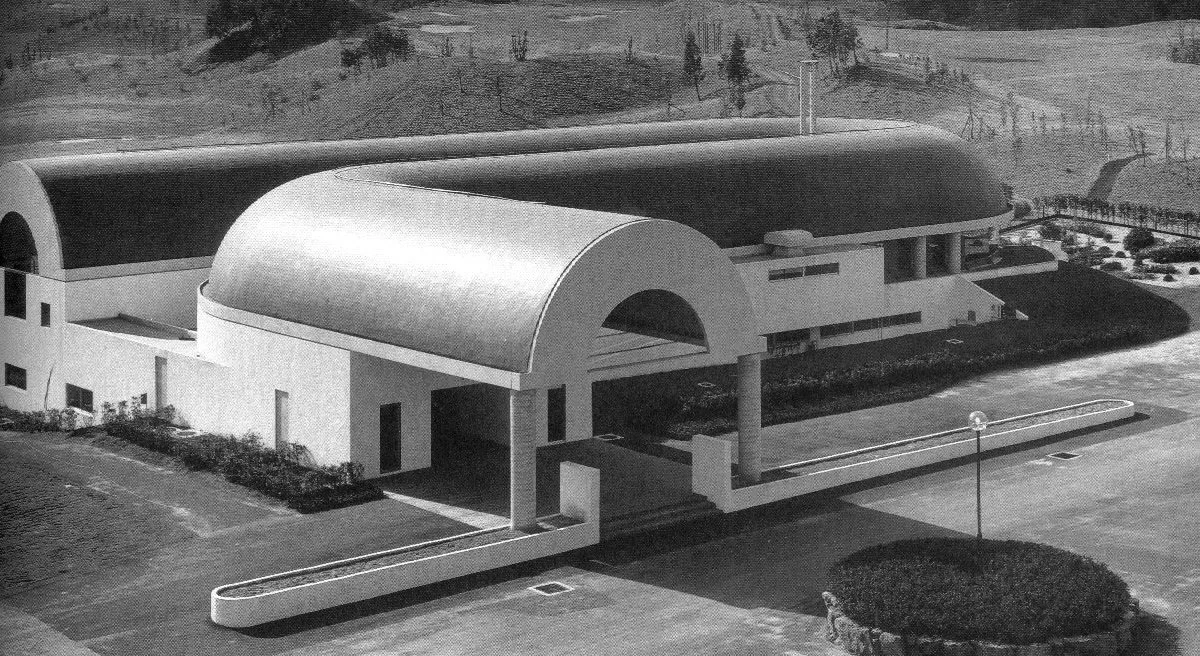
Arata Isozaki's Ceramics Park Mino in Japan 磯崎 新 岐阜県現代陶芸美術館

Connecting Ceramics, Architecture and Landscape
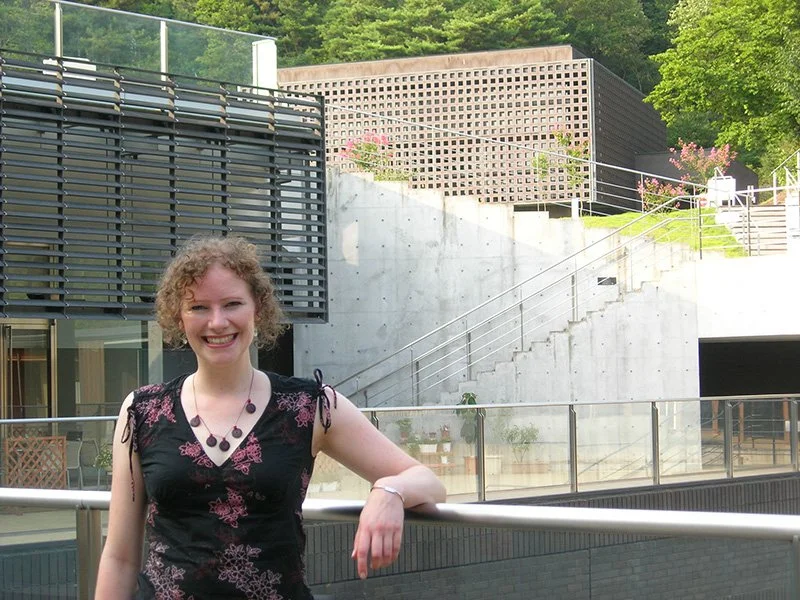
The contours of the surrounding landscape are echoed in the cast concrete walls and the rich material palette across the site reflect the nature and history of Mino

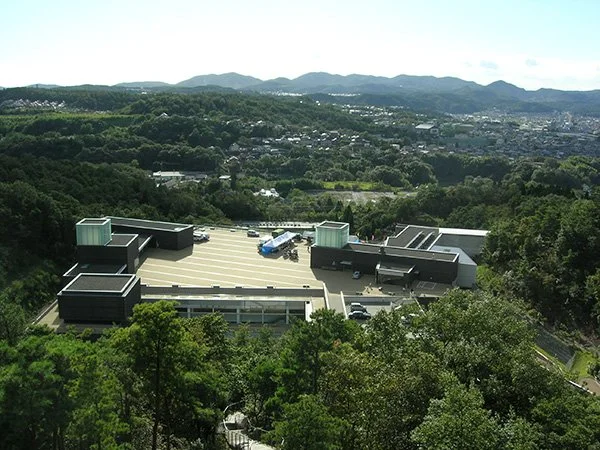
Ariel view of the Ceramics Park Mino, Tajimi, Gifu, Japan

Opened in 2002 and designed by Arata Isozaki, the Museum of Modern Ceramic Art at the Ceramics Park Mino is one of several museums in Gifu prefecture dedicated entirely to ceramics.  The architecture of the site and its relationship to the landscape through its innovative design and integration of clay materials directly from the surrounding environment left a lasting impression on me since my very first visit in 2005. In this post, I’ll share photos and reflections on the architecture of this remarkable site and also one of the most prestigious international ceramic exhibitions held at the museum.

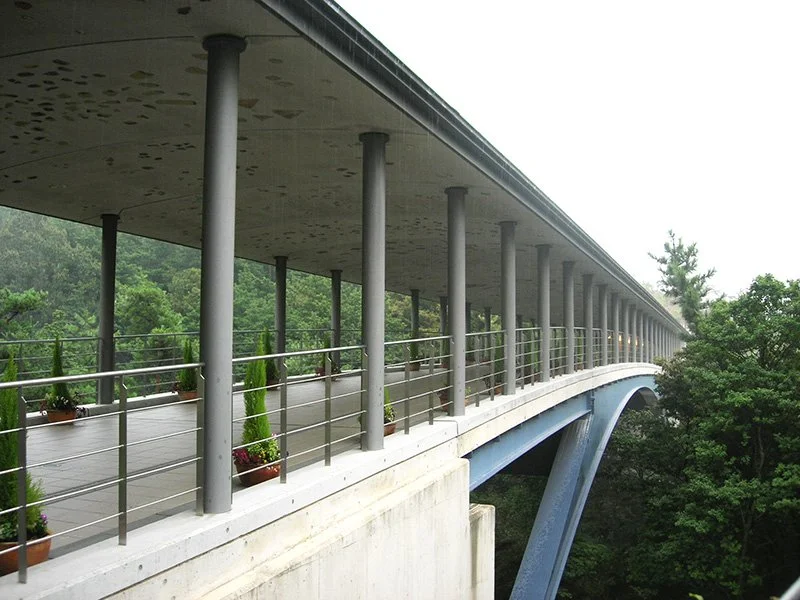
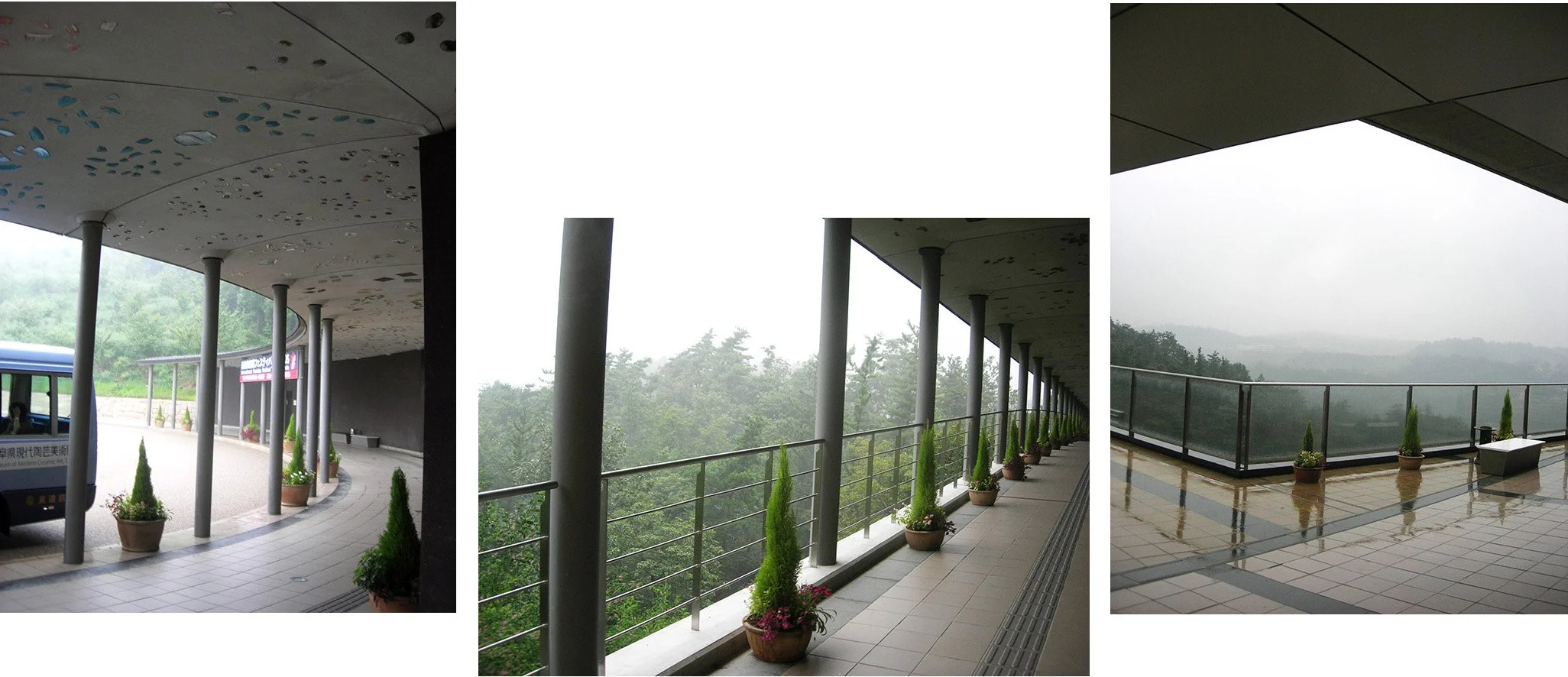
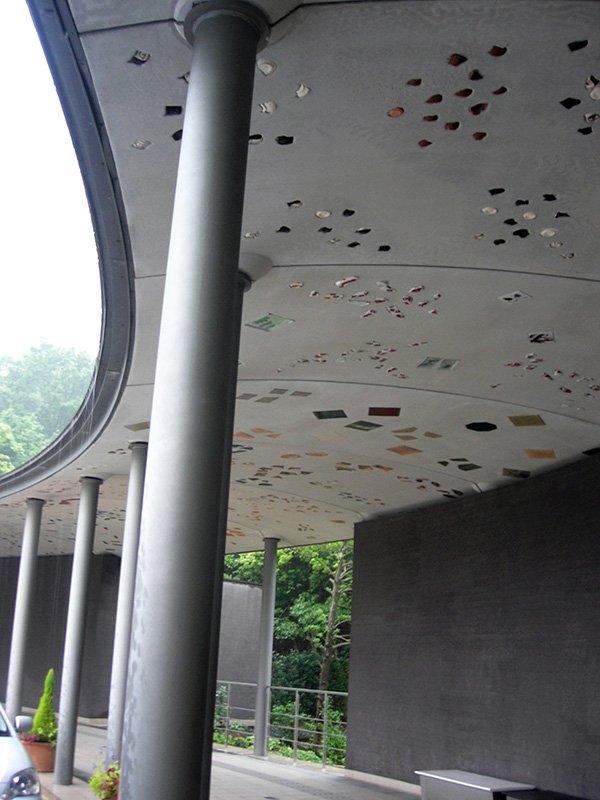
Entrance footbridge leading to the Museum of Modern Ceramics at the Ceramic Park Mino, Tajimi, Gifu The concrete used for the footbridge and tunnel that lead to the museum are embedded with fired ceramic fragments.

The Ceramics

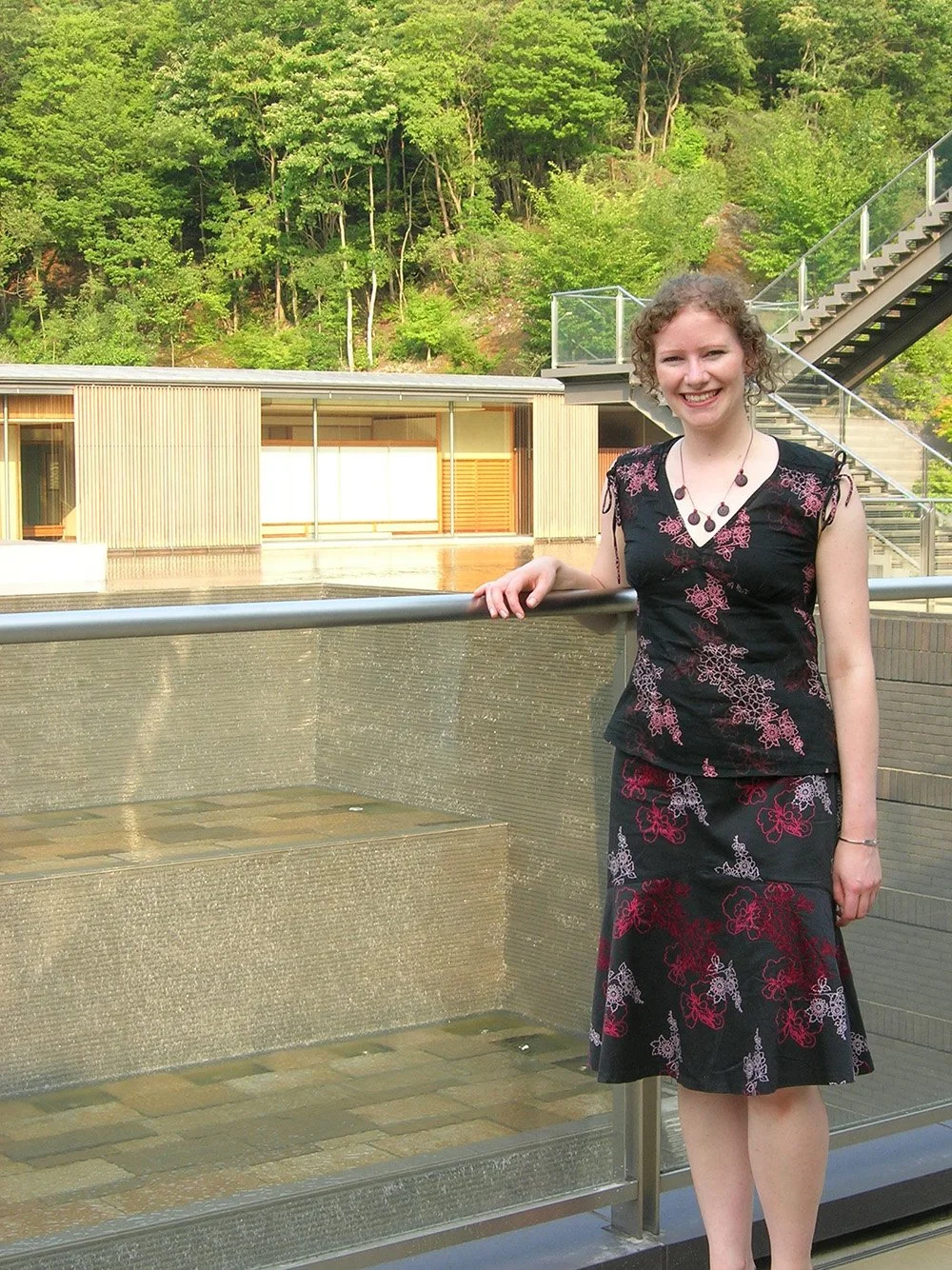
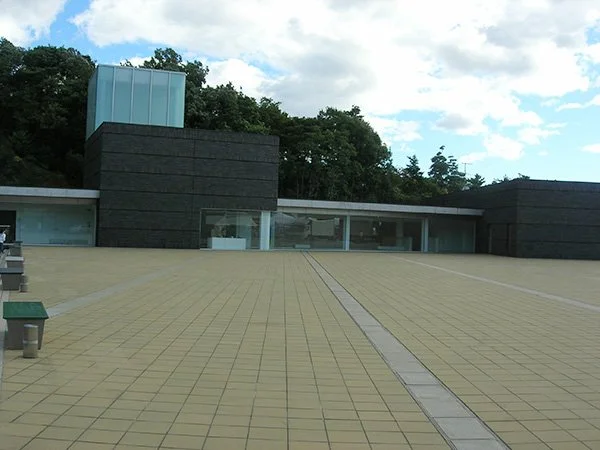
Japan is arguably home to more ceramic museums than anywhere else in the world. Set in the side of a hill in Tajimi, Gifu, the Museum of Modern Ceramics emerges from the landscape and is characterised by its emphasis on its harmony with the surrounding natural environment.

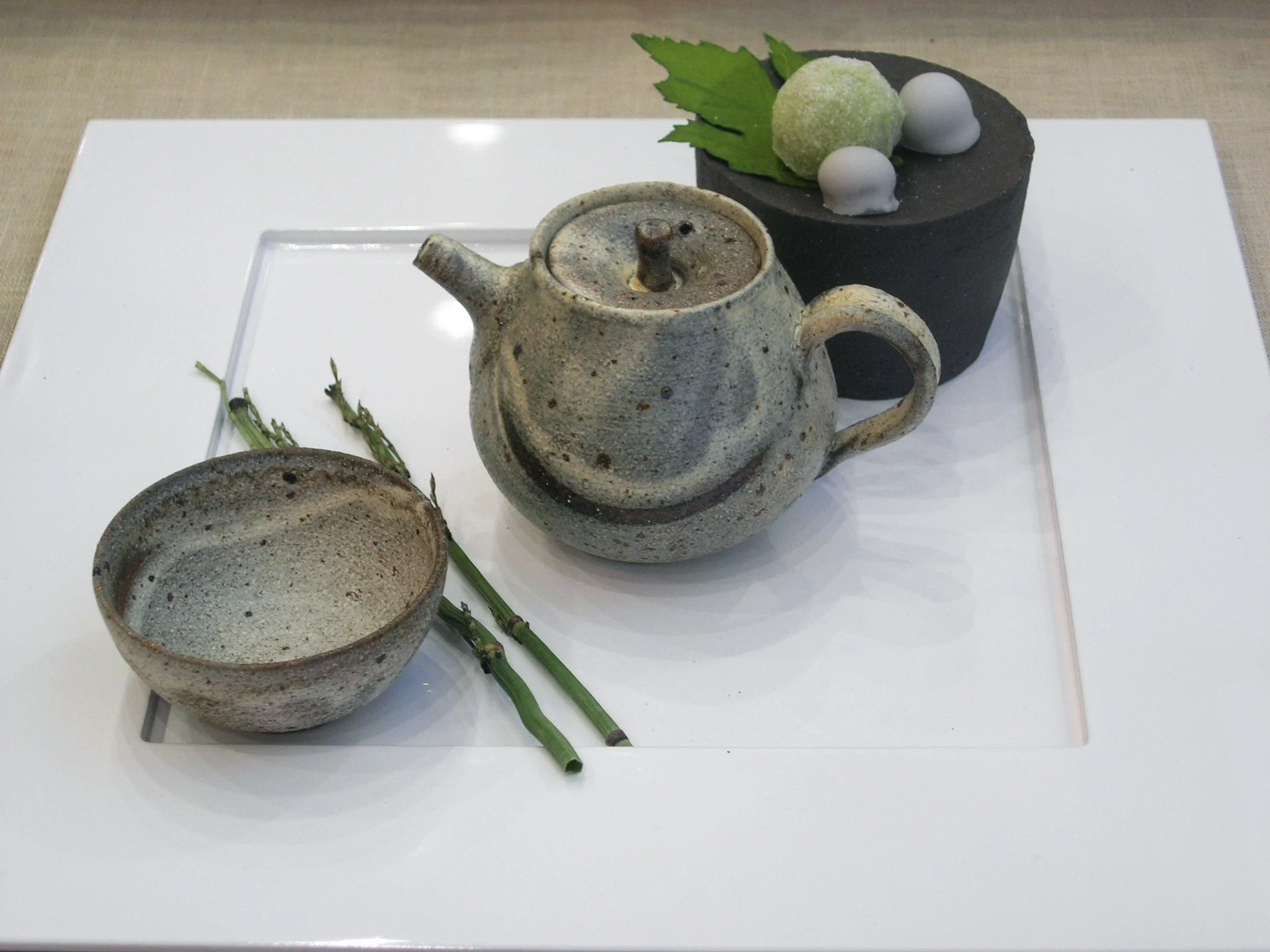
Tajimi and its surrounding region form one of Japan’s most important ceramic hubs, celebrated for Mino ware, tea wares, and the rich surfaces of Oribe and Shino glazes as introduced in my previous post. In Japan, ceramics are inseparable from other cultural forms — from food to ikebana and the tea ceremony.

Ceramics Park Mino was established to present ceramic art that moves fluidly between tradition, experimental design, and contemporary discourse. The museum’s collection features work by leading Japanese and international artists and designers, encompassing both studio practice and industrial production. Rather than separating objects into categories of “art” and “craft,” the museum adopts a more integrated perspective — one that does not wholly align with conventional Western distinctions.

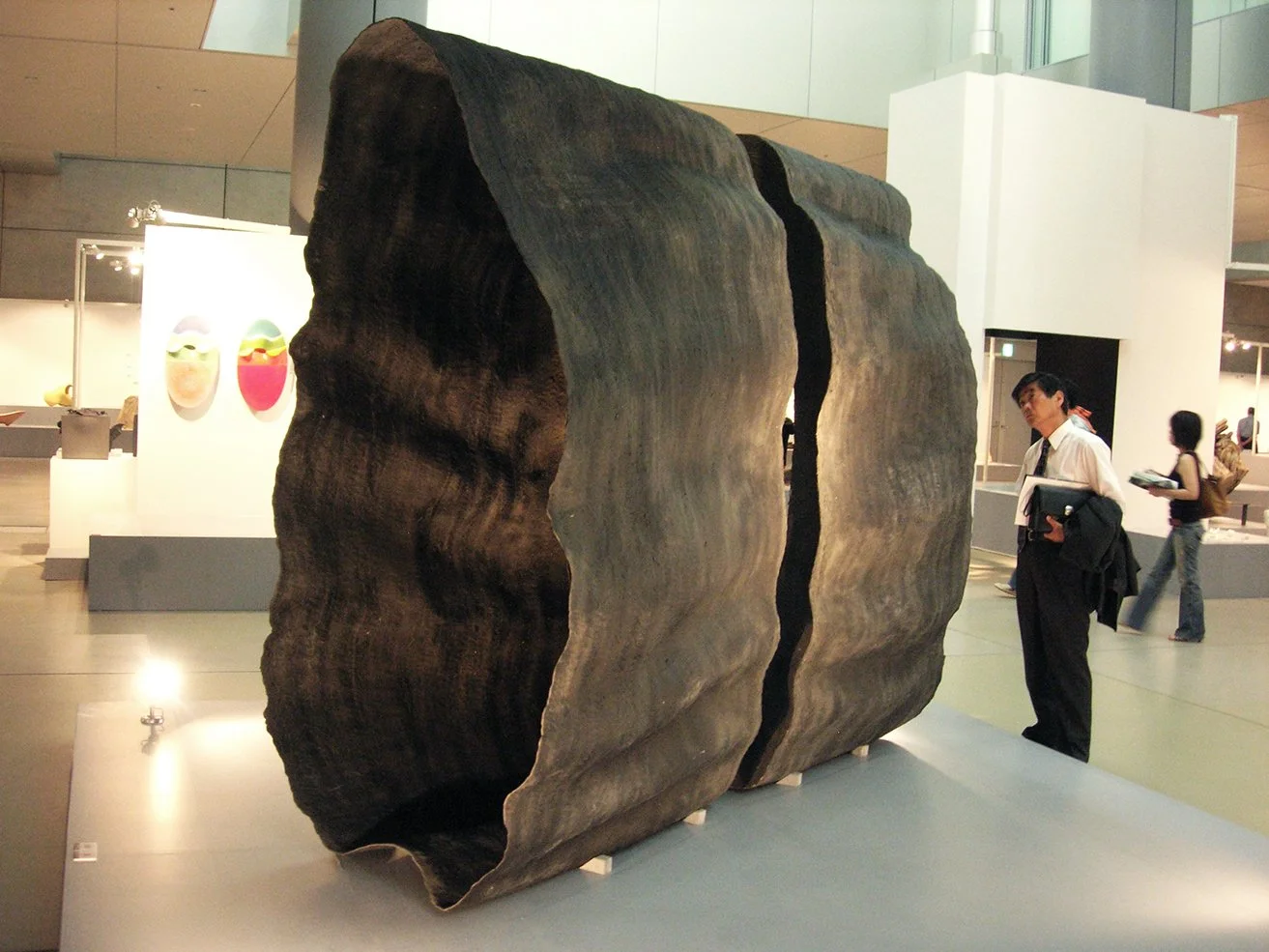
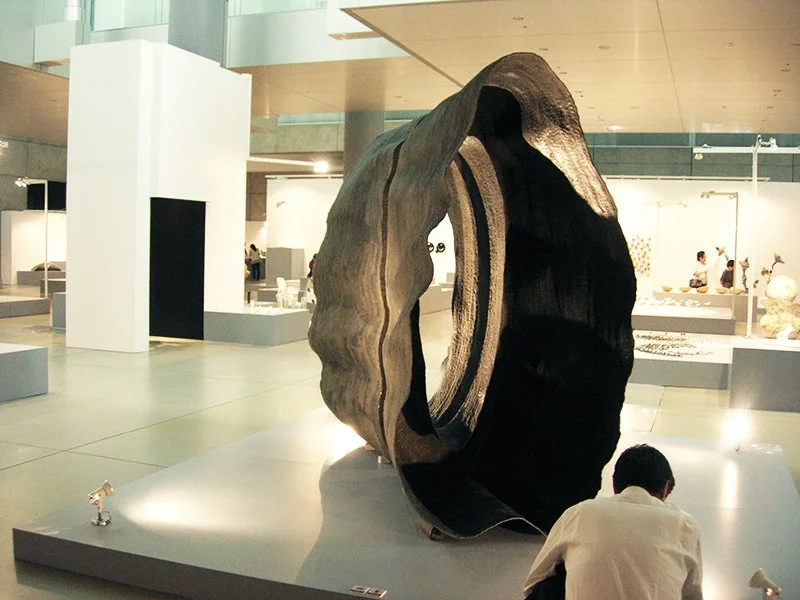
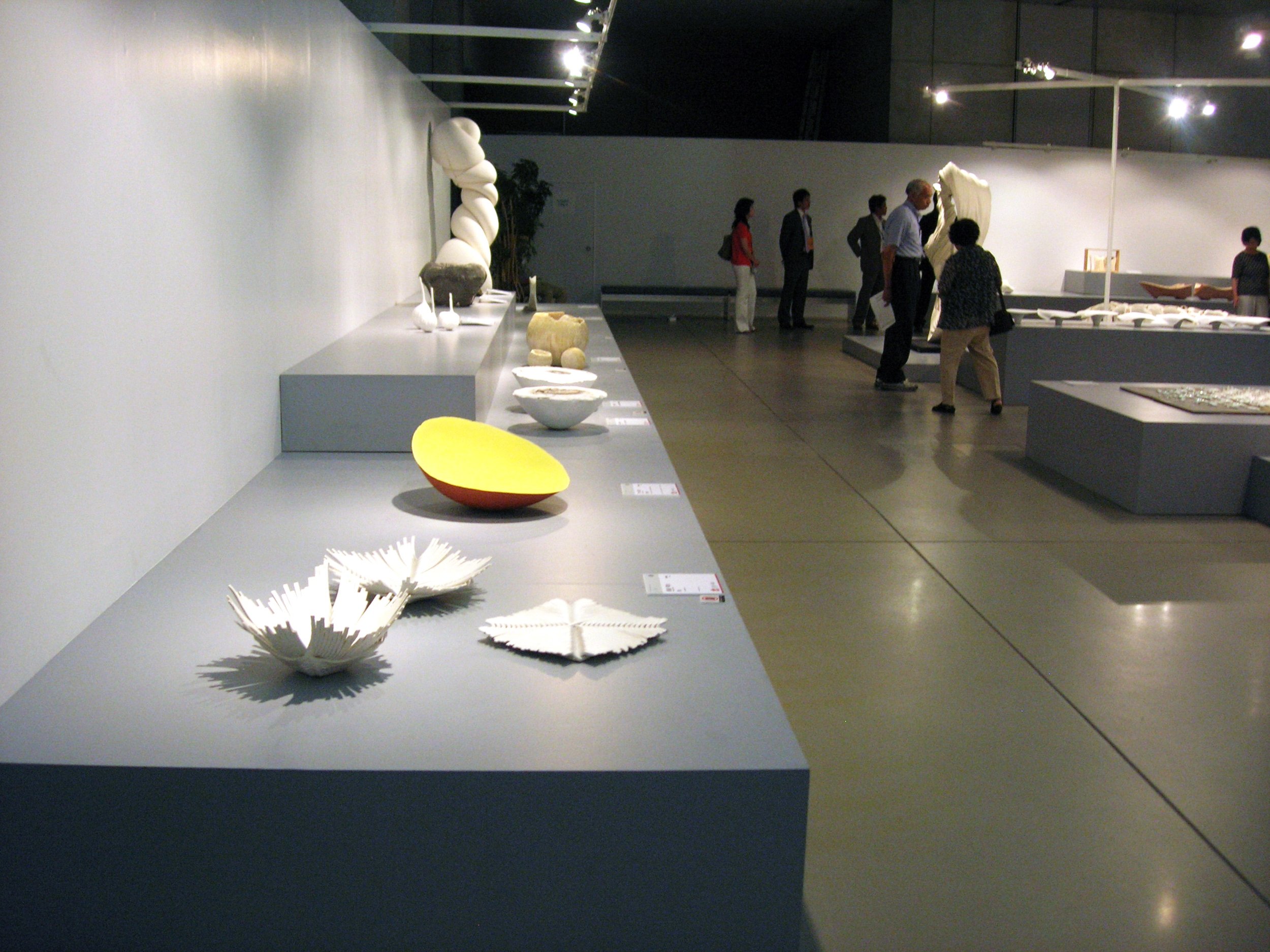
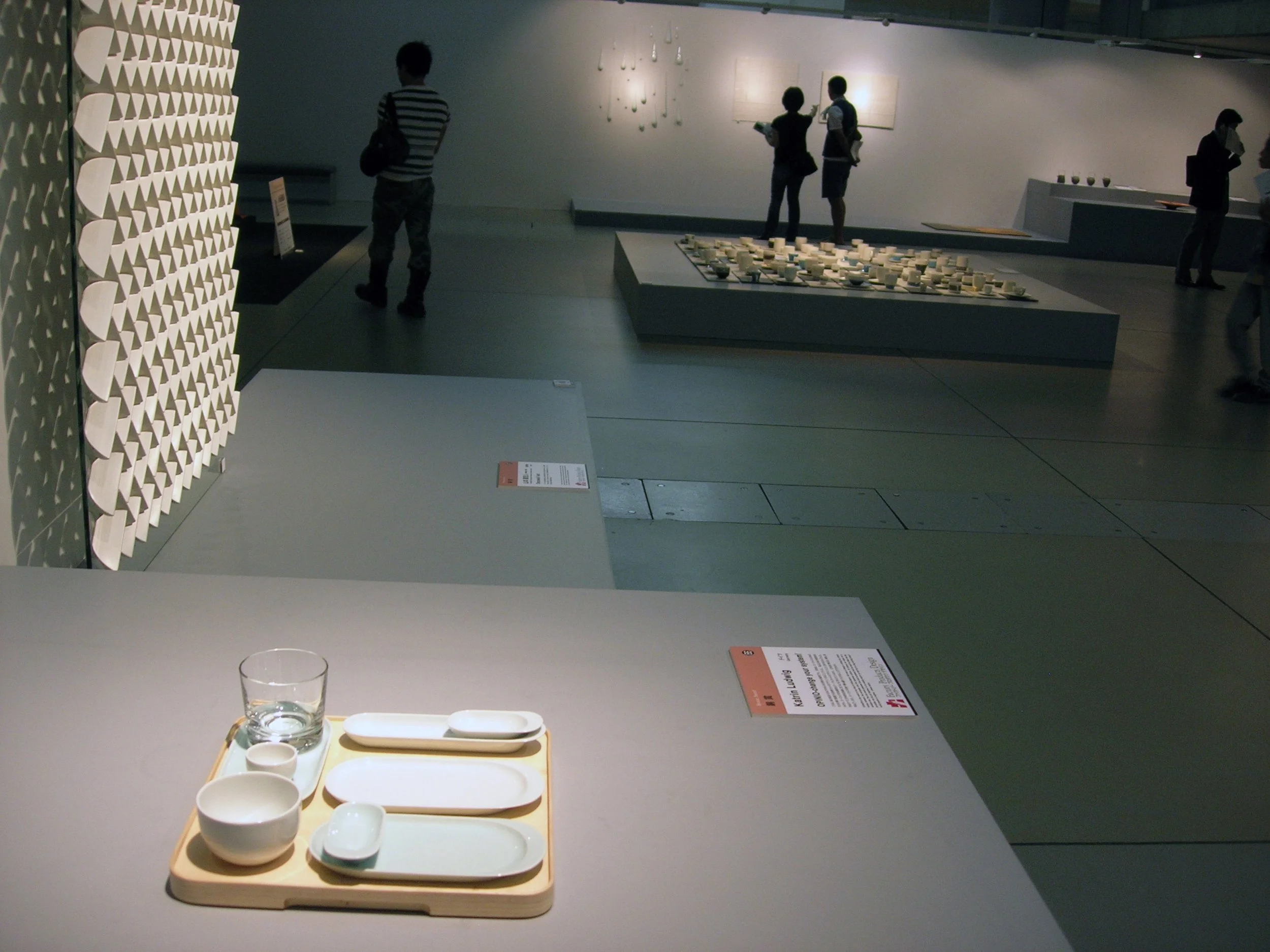
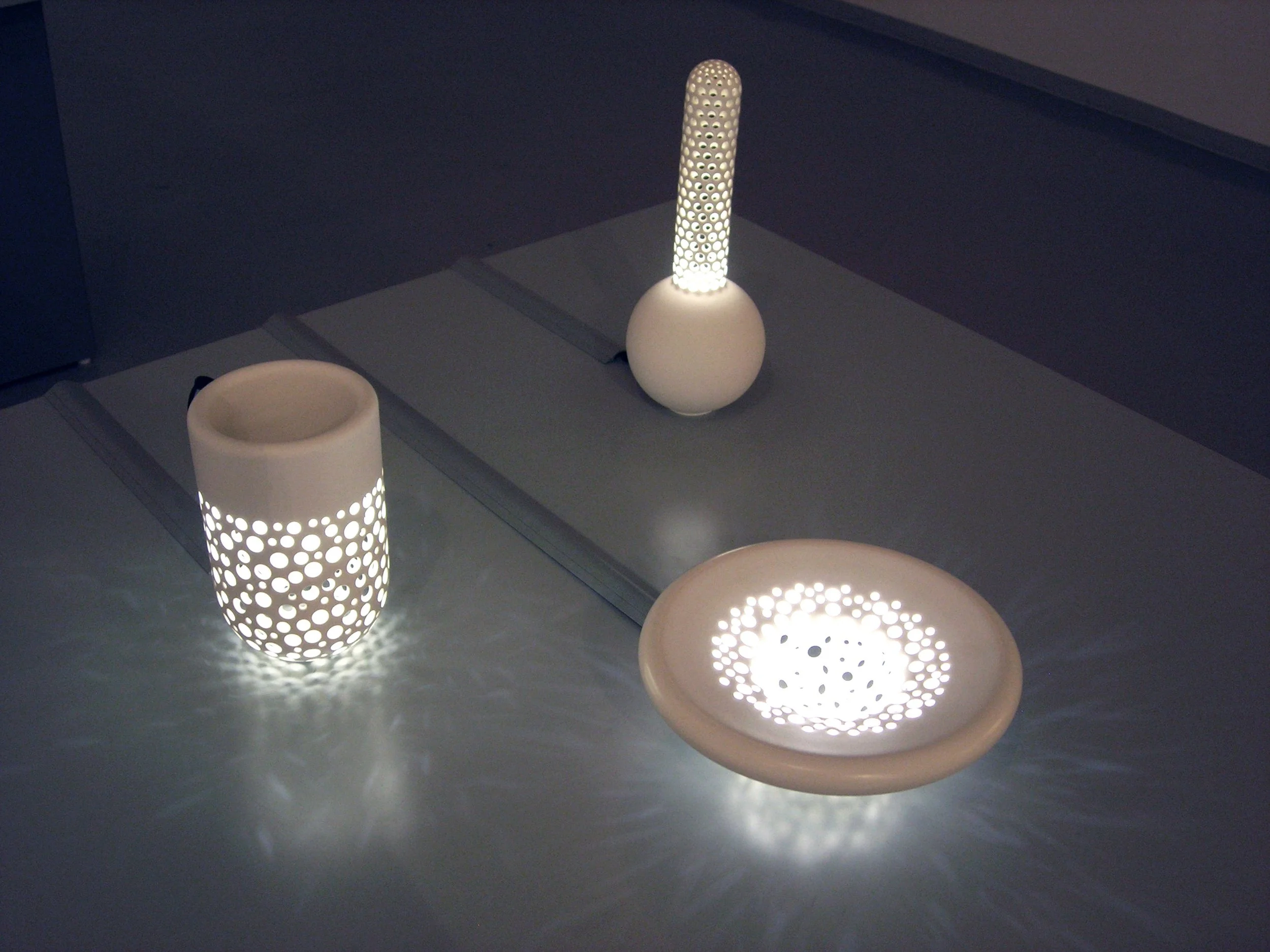
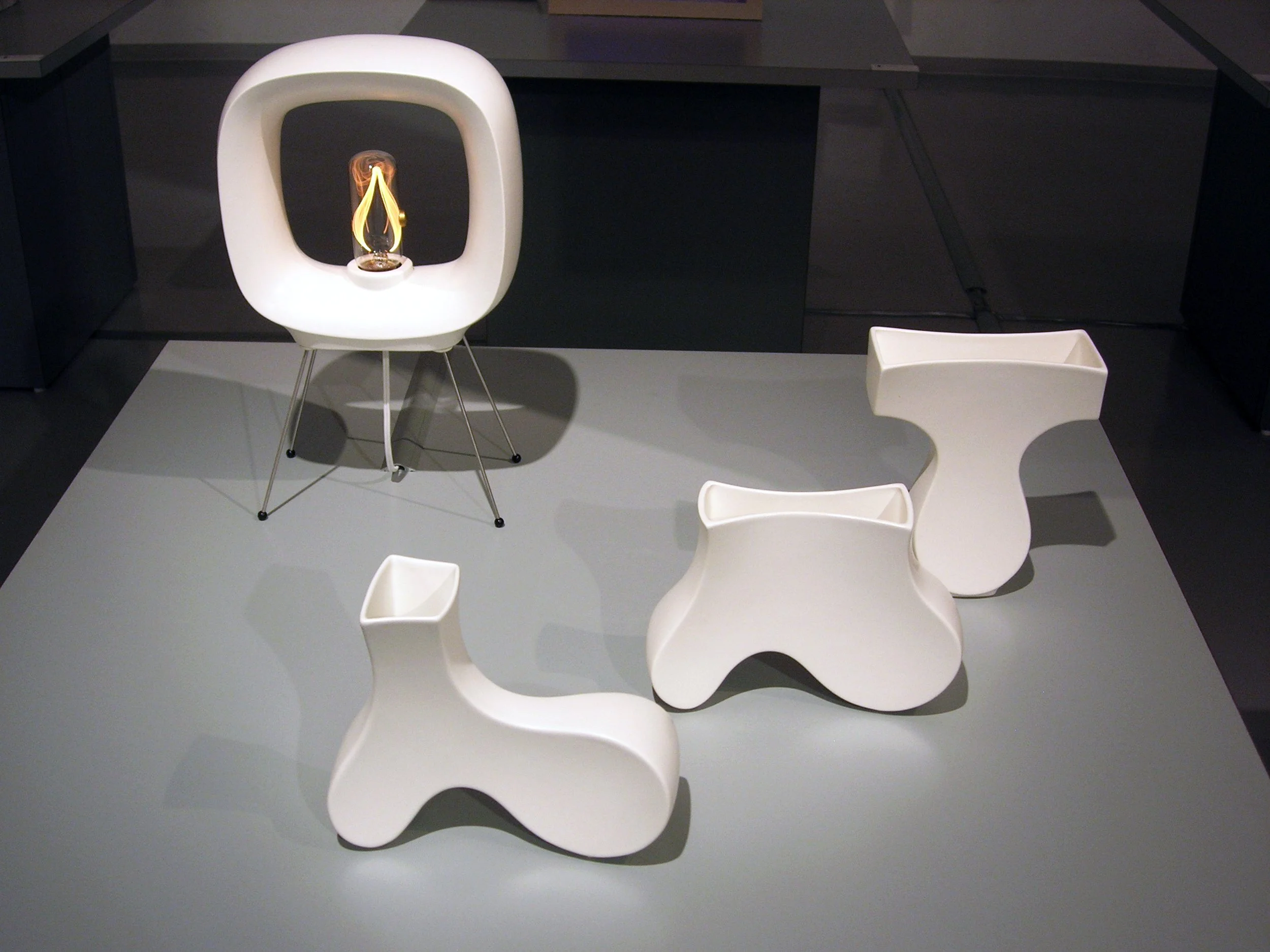
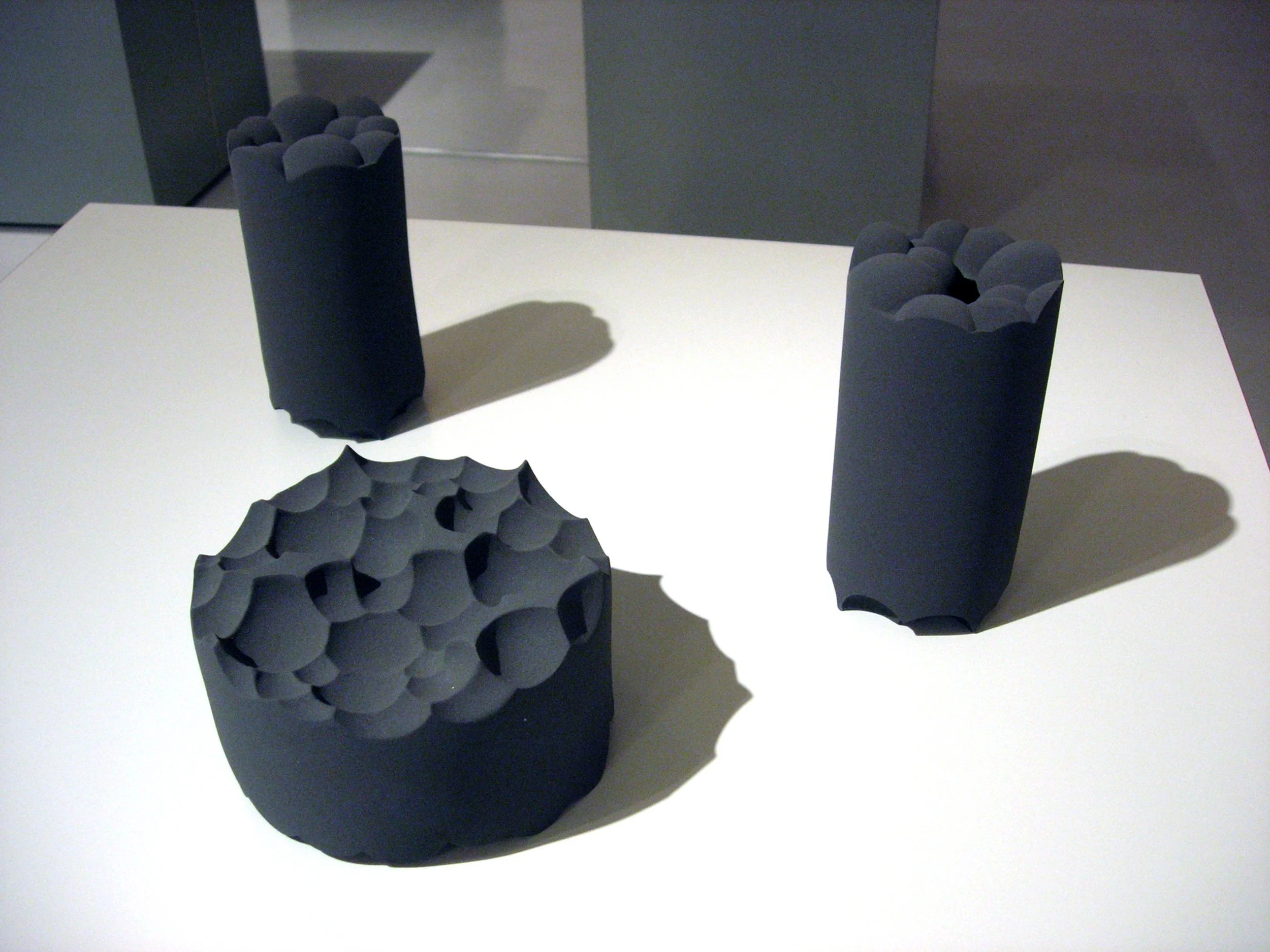
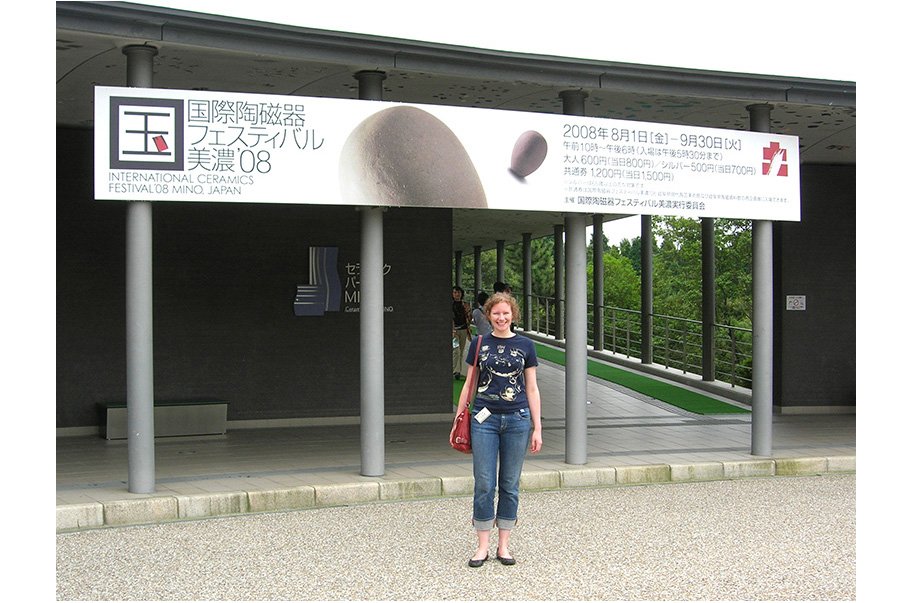
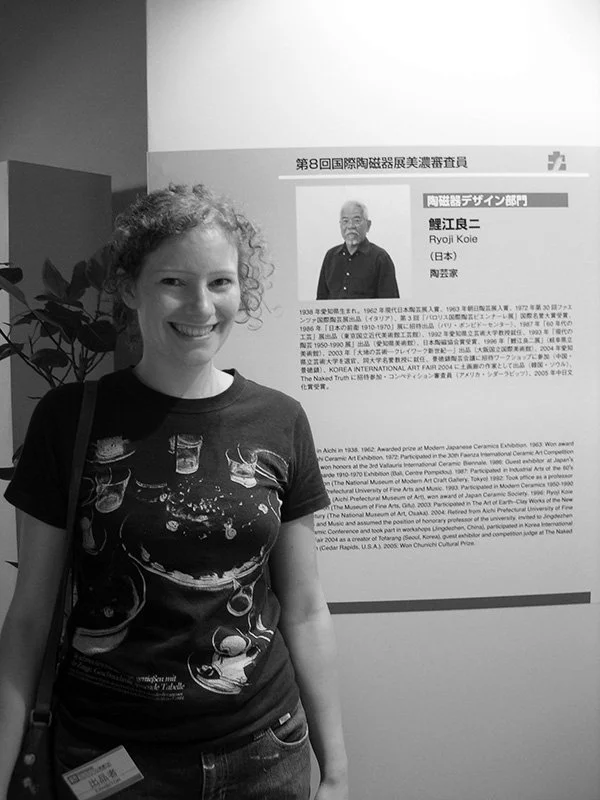
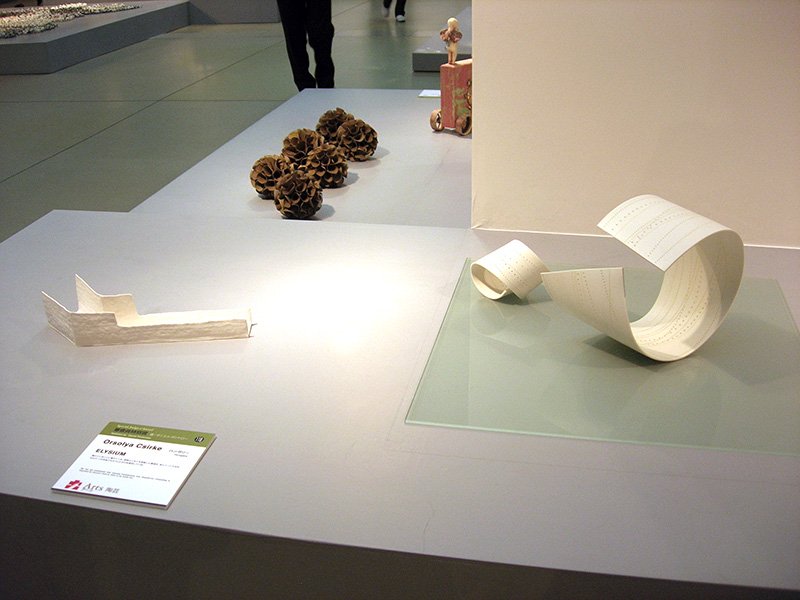
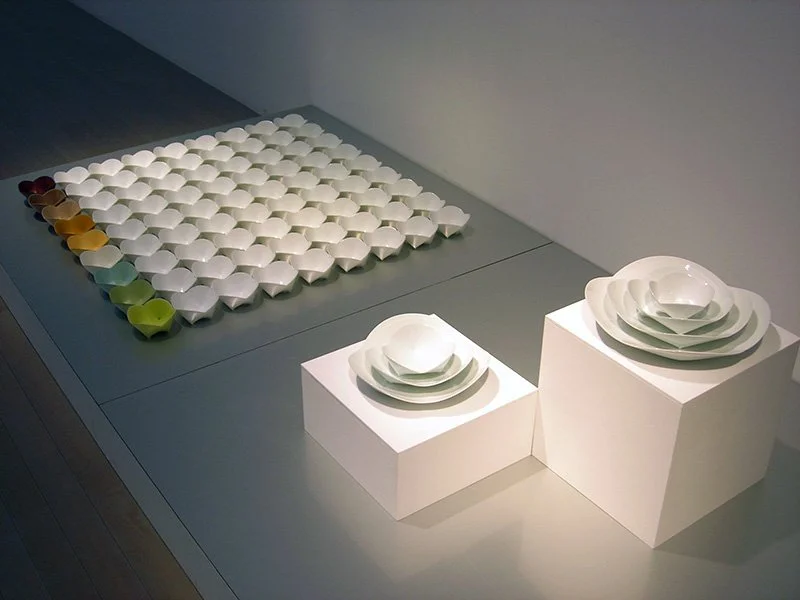
Exhibiting my work at this venue and being awarded the Special Judge’s Prize in the 8th International Ceramics Competition Mino, was a genuine honour. I was fortunate to exhibit alongside 190 other incredible sculptors and designers selected from a total of 3,284 submissions from 55 countries.


The museum hosts a range of exhibitions and conferences that foster new perspectives in contemporary ceramics. Its distinguished International Ceramics Competition Mino takes place every three years in Oribe Square, the museum’s largest exhibition hall.

The Museum of Modern Ceramic Art also includes studio facilities, intimate gallery spaces, a tea house, a restaurant and cafe, shops, and an observation tower, with nature trails offering expansive views across the surrounding landscape.
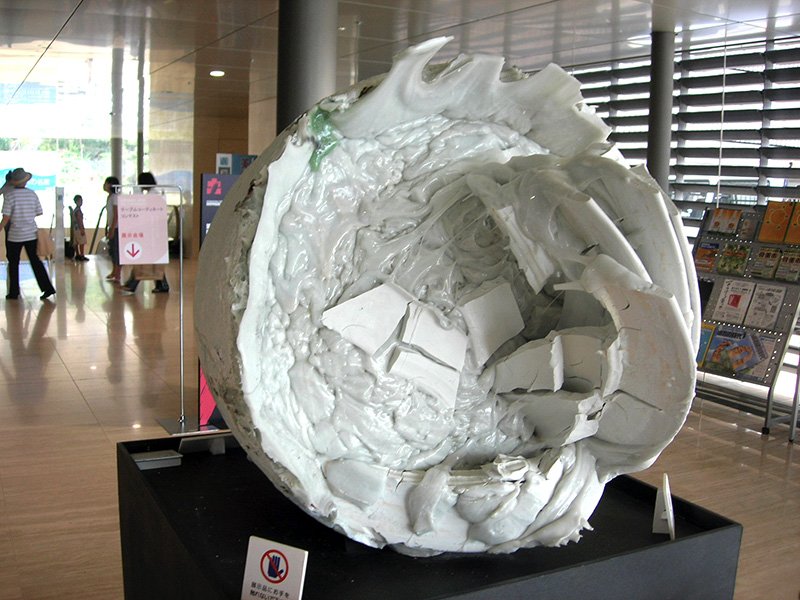
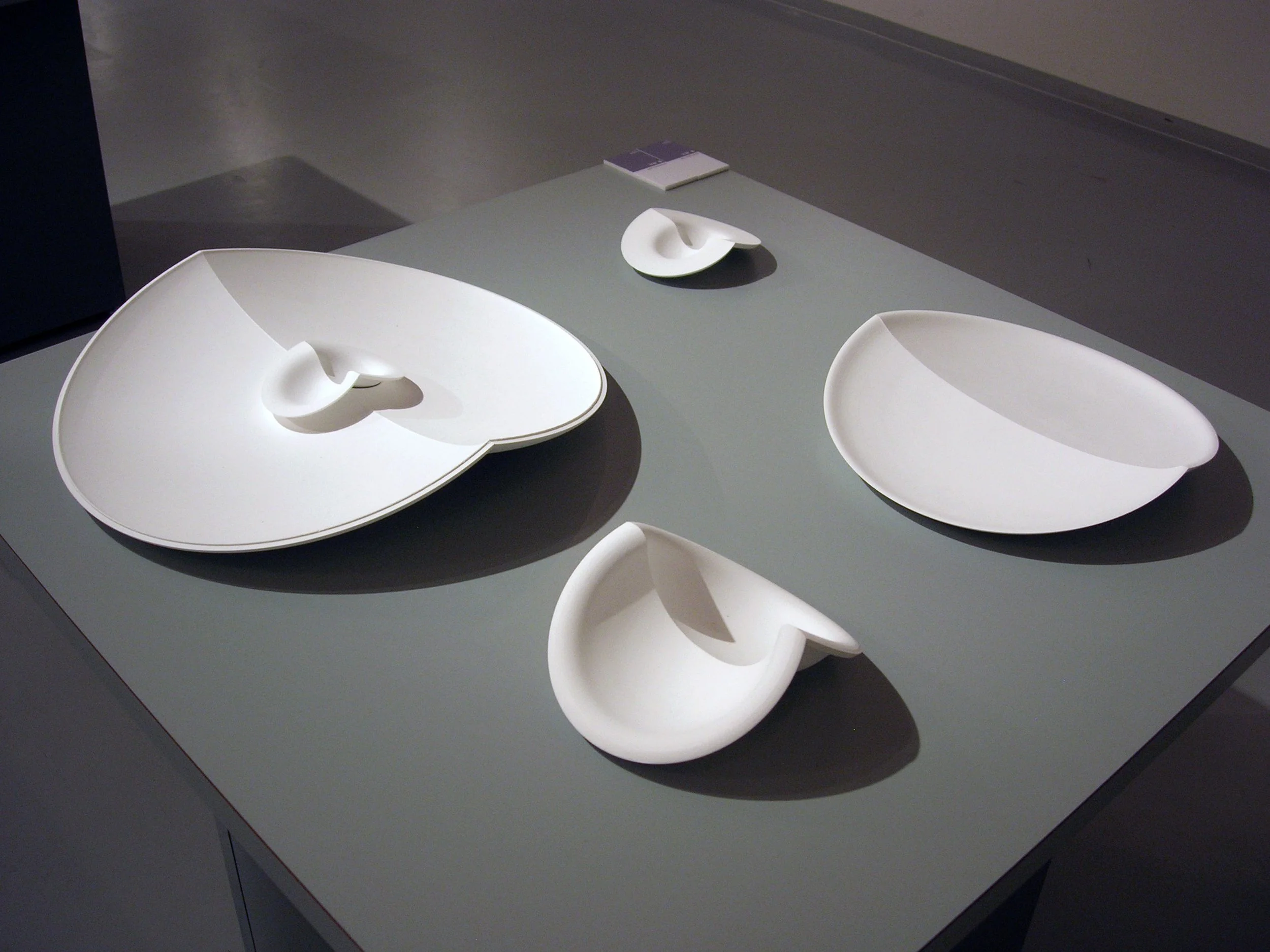
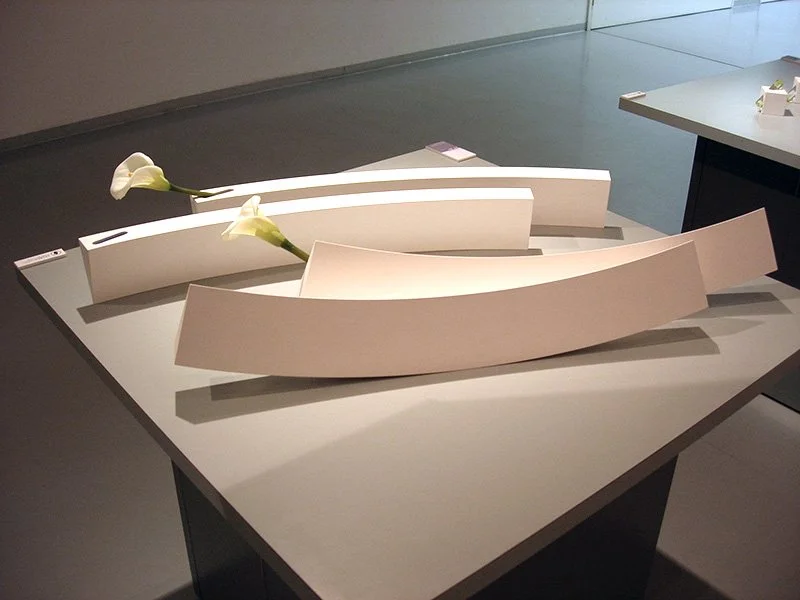
A ceramic sculpture in the museum entrance area
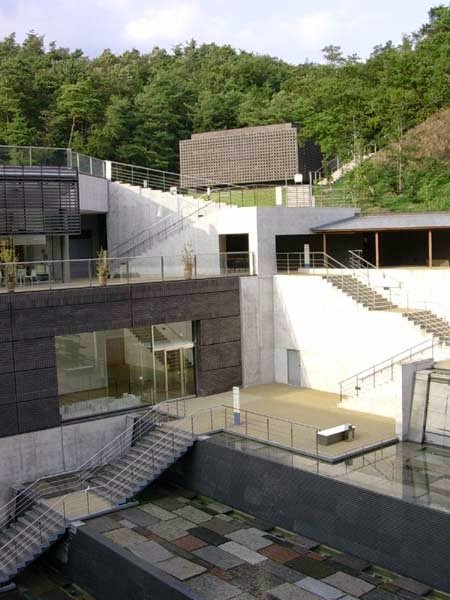
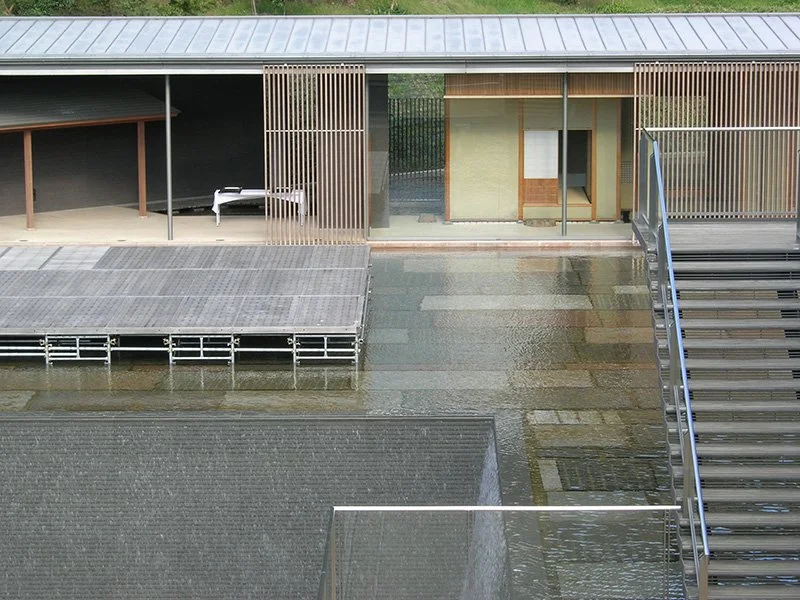
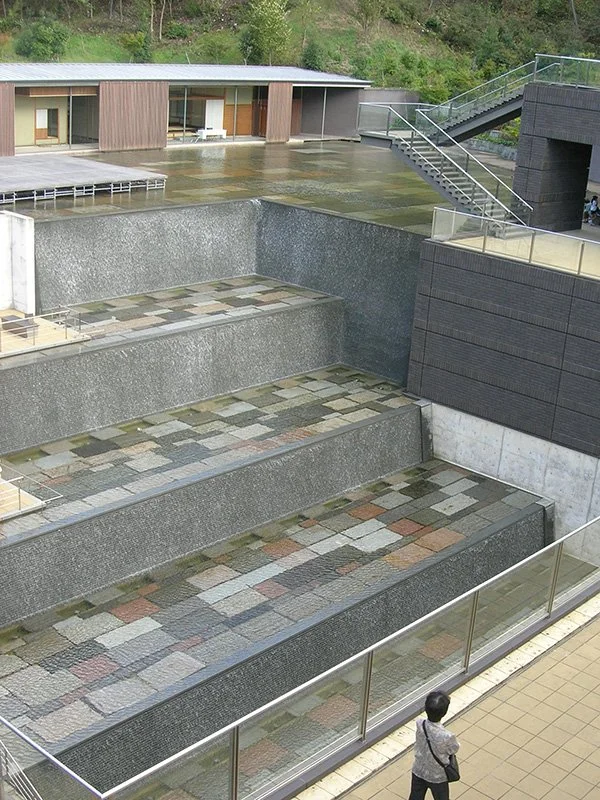
Water cascades and rich use of materials in the museum’s architecture
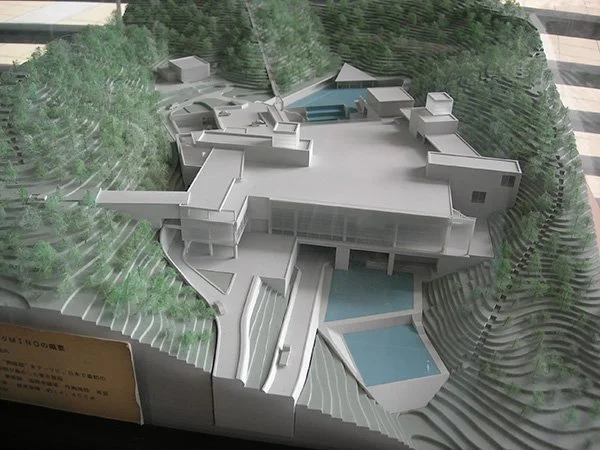
This scale model of Ceramics Park Mino illustrates its integration with the surrounding landscape

The Architecture

Sections of the building incorporate different coloured stone, chosen to mirror the spectrum of local clays, grounding the building materially and symbolically in its landscape. Some of the clays unique to the area are: Gairome Clay A fine white clay containing quartz, Kibushi Clay, a grey clay containing fossilised, silicified wood and Mogusa Clay, a red or black clay due to iron content with a coarse texture and small air pockets. Volcanic activity and rain in this mountainous terrain has altered the clay over thousands of years producing a unique clay specific to this region which also accounts for over 50% of Japan’s ceramic production.
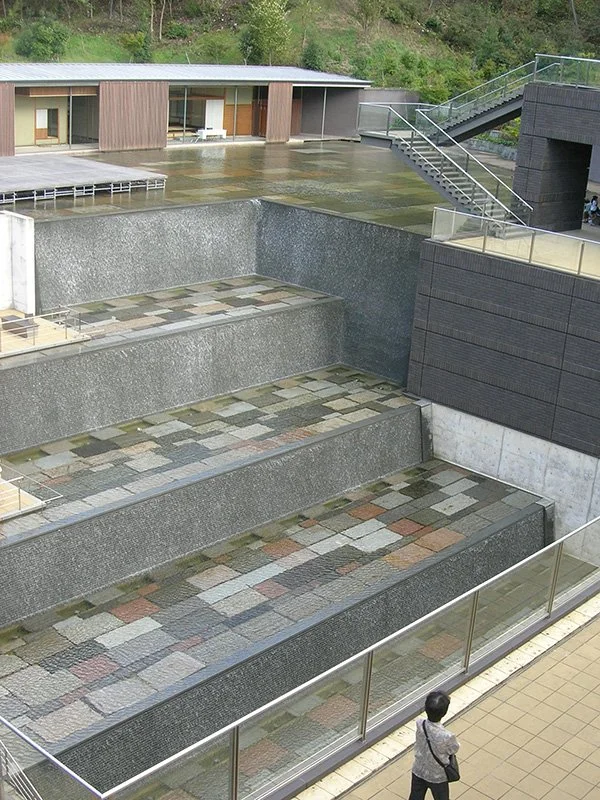
Stone slabs reflecting the diverse colours and textures of the local Mino clays

This dialogue with Mino’s history continues in the covered footbridge to the museum, where hundreds of ceramic shards are set into the concrete ceiling.
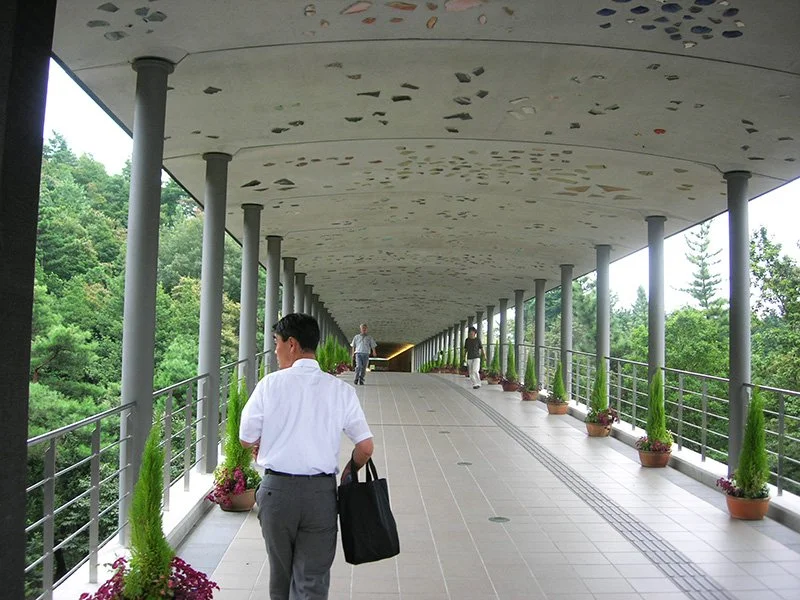
Covered bridge with ceramics shards embedded in the ceiling

A short tunnel, also embedded with pottery fragments, links the footbridge to the main entrance. Visitors arrive in an open foyer that frames sweeping views across the expansive landscape beyond.

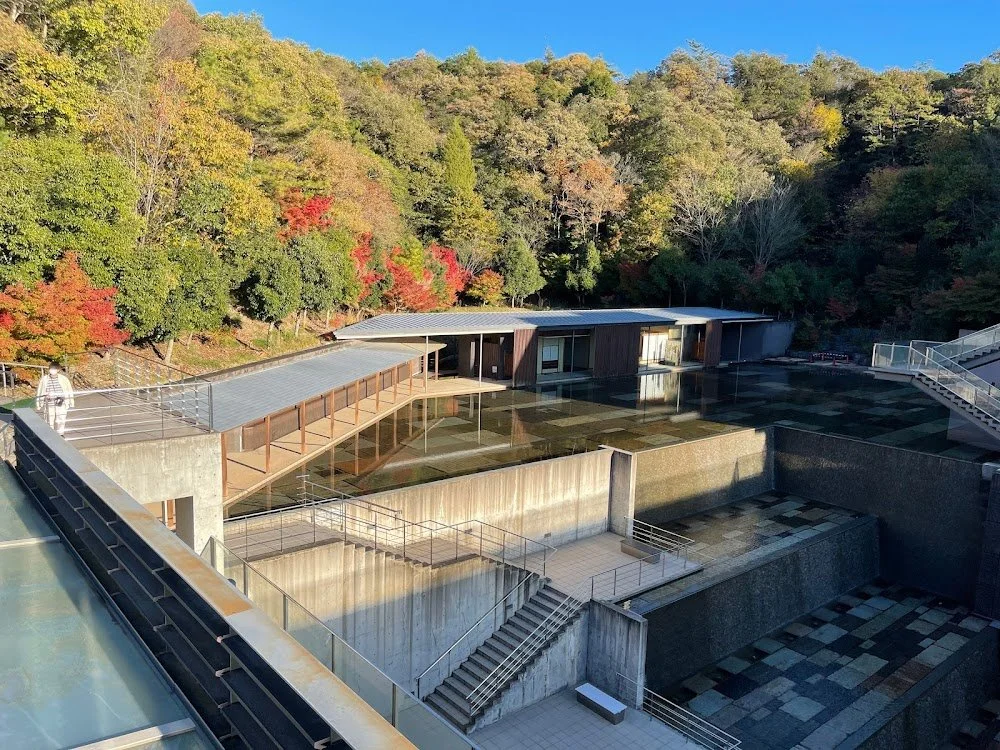
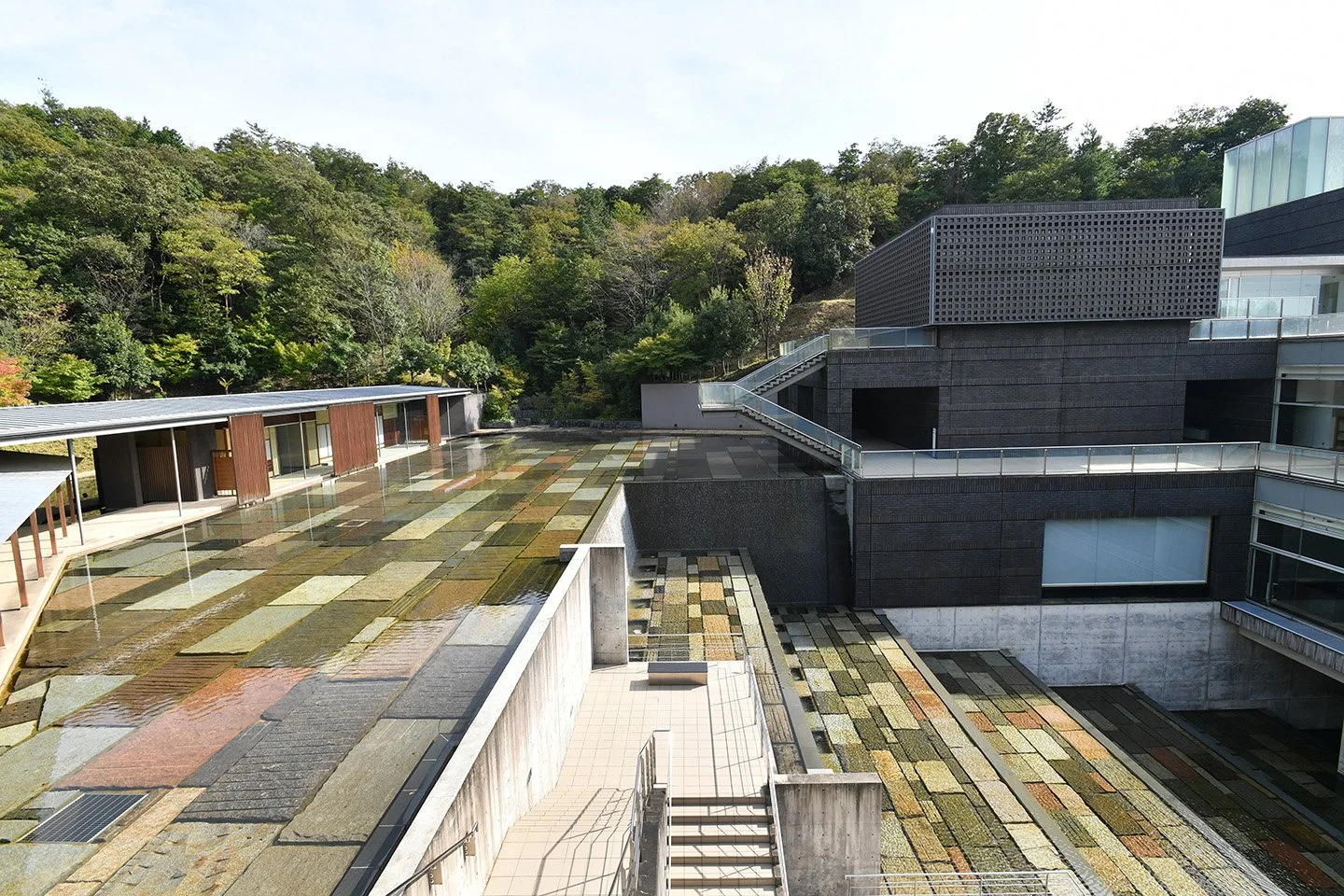
The ceramics park is arranged over four descending levels, built into the ground while remaining open on one side to the Cascade Plaza.  Natural light floods the interiors through this exposed side, while sheets of water spill from broad pools across successive tiers, forming a living wall of sound and movement.
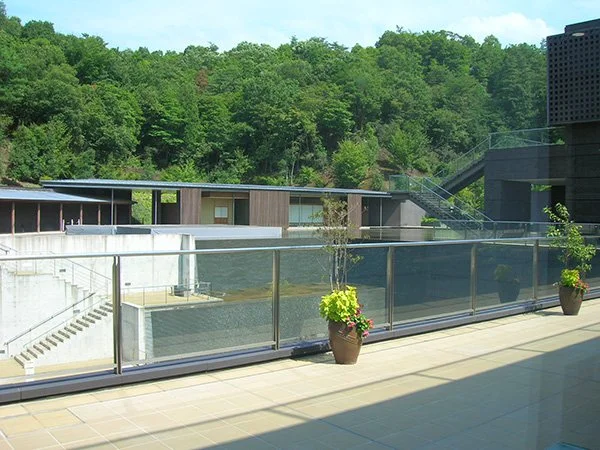
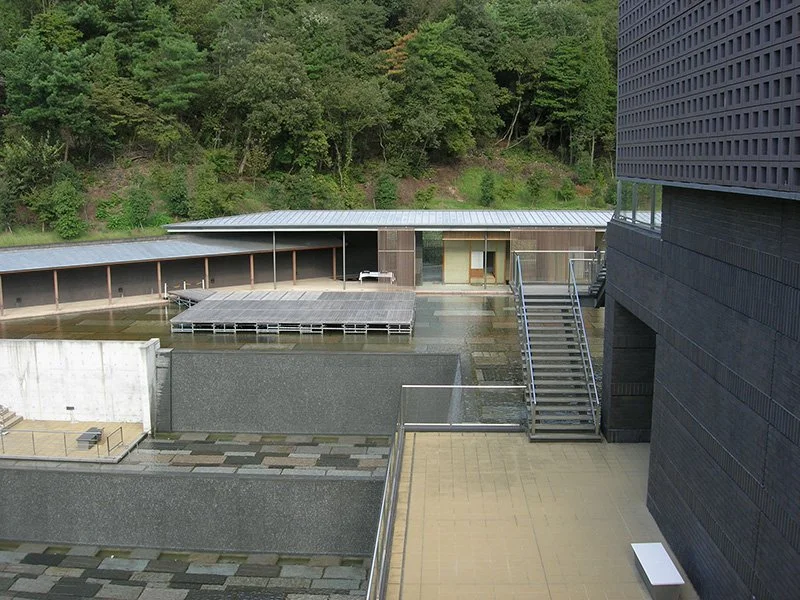
The cascade is visible from every floor — from the spacious ground-level café and Oribe Hall to exterior walkways that trace the building’s edge. These promenades, linked by staircases that appear to hover in space, overlook the flowing water below.
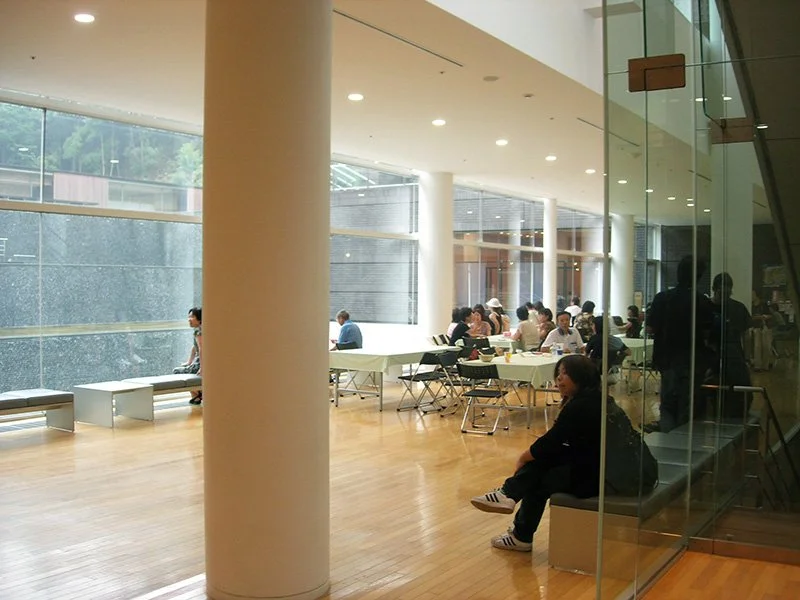
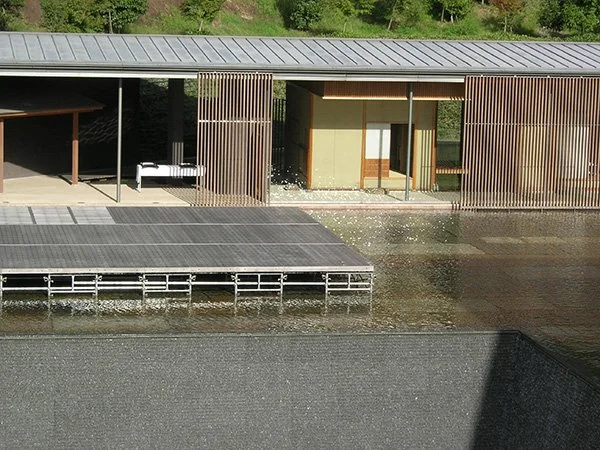
At the uppermost level, a restaurant near the entrance sits beside the source of the cascade. Below it, the shop and smaller gallery maintain a direct visual connection to the water feature at the building’s core. A modern interpretation of a traditional teahouse crowns the summit of the falling water, seeming almost to float.

In this building, Isozaki brings together tradition and contemporary design with remarkable clarity. The architecture engages the senses through its rich material palette — carefully chosen stone that echoes ceramic textures, alongside expressive uses of concrete and wood. These materials respond beautifully to shifting light, particularly in dialogue with the movement of water.

Teahouse, Ceramics Park Mino

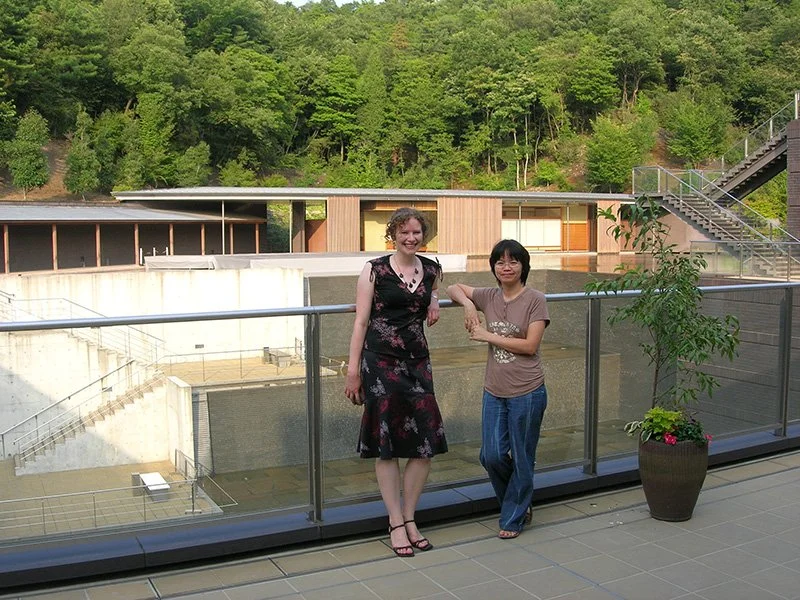
The teahouse view leads to the surrounding landscape and the paths leading from the museum allow visitors to explore and experience the nature around the site.  One of the paths leads to an architectural staircase and observation deck, which reminds me of a modern version of a ‘tori’, like the Japanese gateways found in front of shrines.  From the top of the observation deck the whole museum and its grounds can be viewed.  I was astonished to find architectural shapes and forms within the museum reflecting both the immediate and remoter surroundings, in broken fragments (like ceramics) aggregated together in a new ways.  It was nice to experience all the harmonious links this building manages to create.
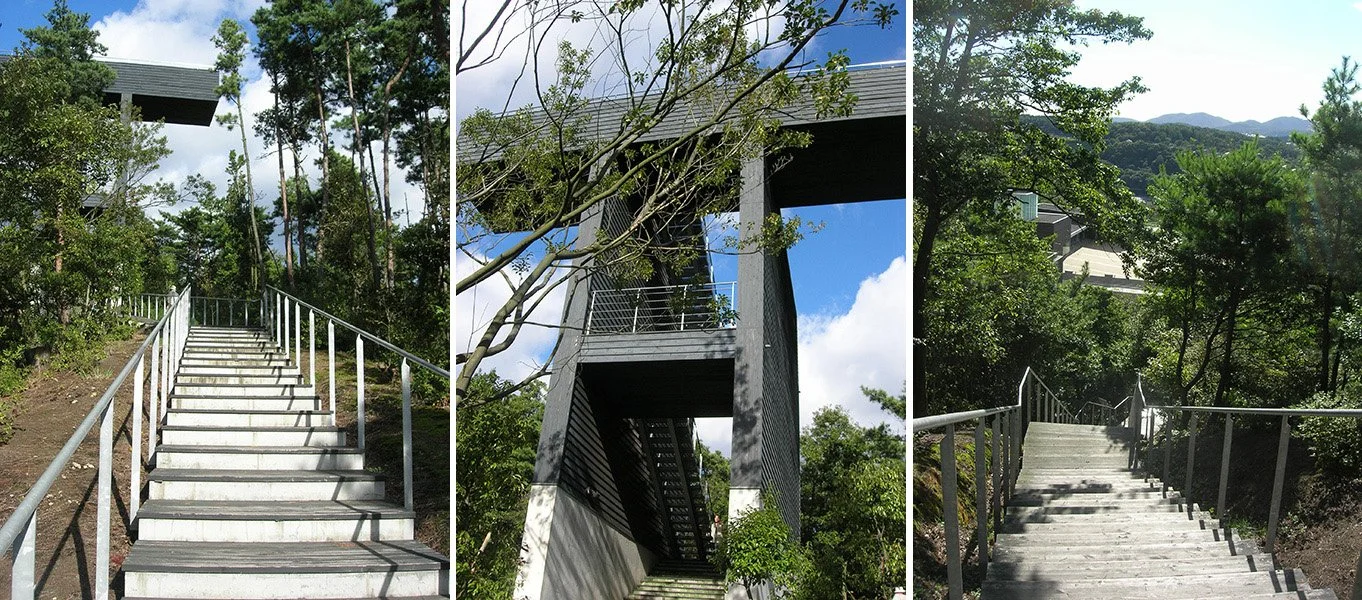
Observation deck, Ceramics Park Mino

View from the observation deck onto the Mino Ceramics Park

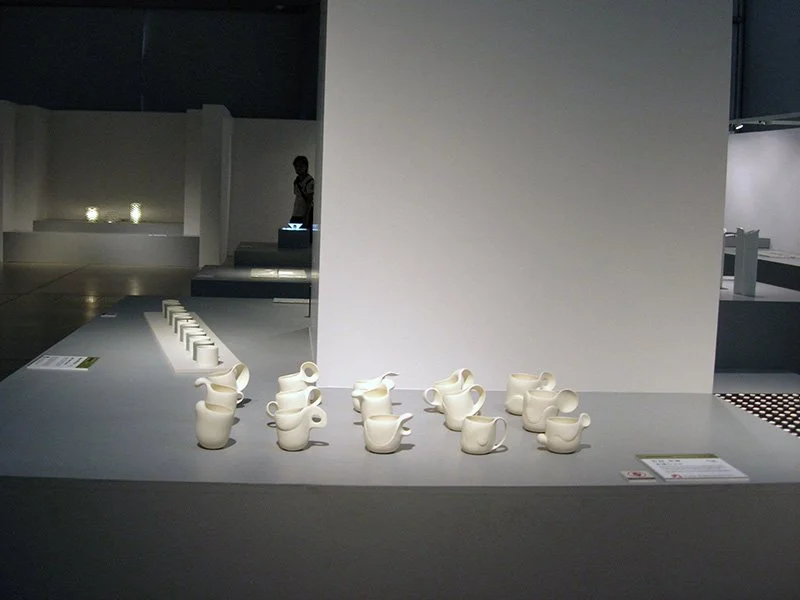
Here are a few more photos of the architecture,the 8th Mino Ceramics Competition Awards Ceremony and ceramics works exhibited in the museum.
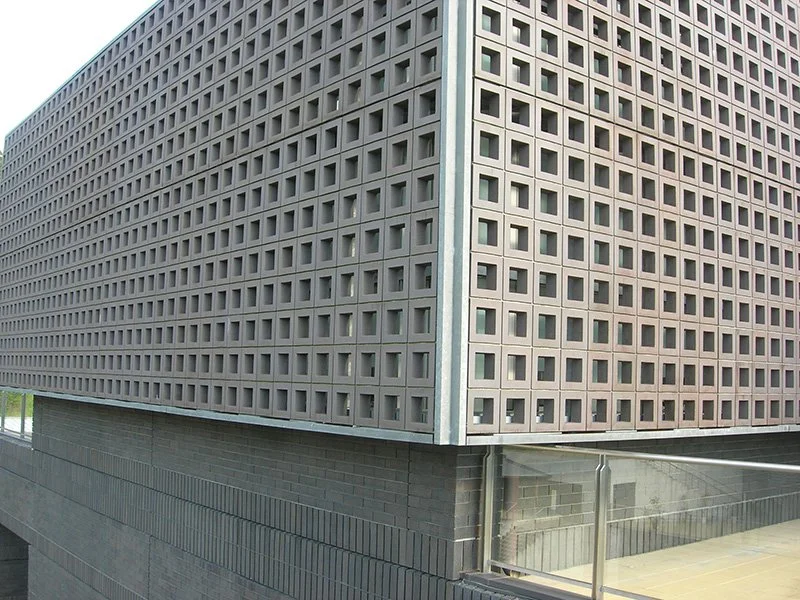
Mino Ceramics Park, Ceramic Education Centre
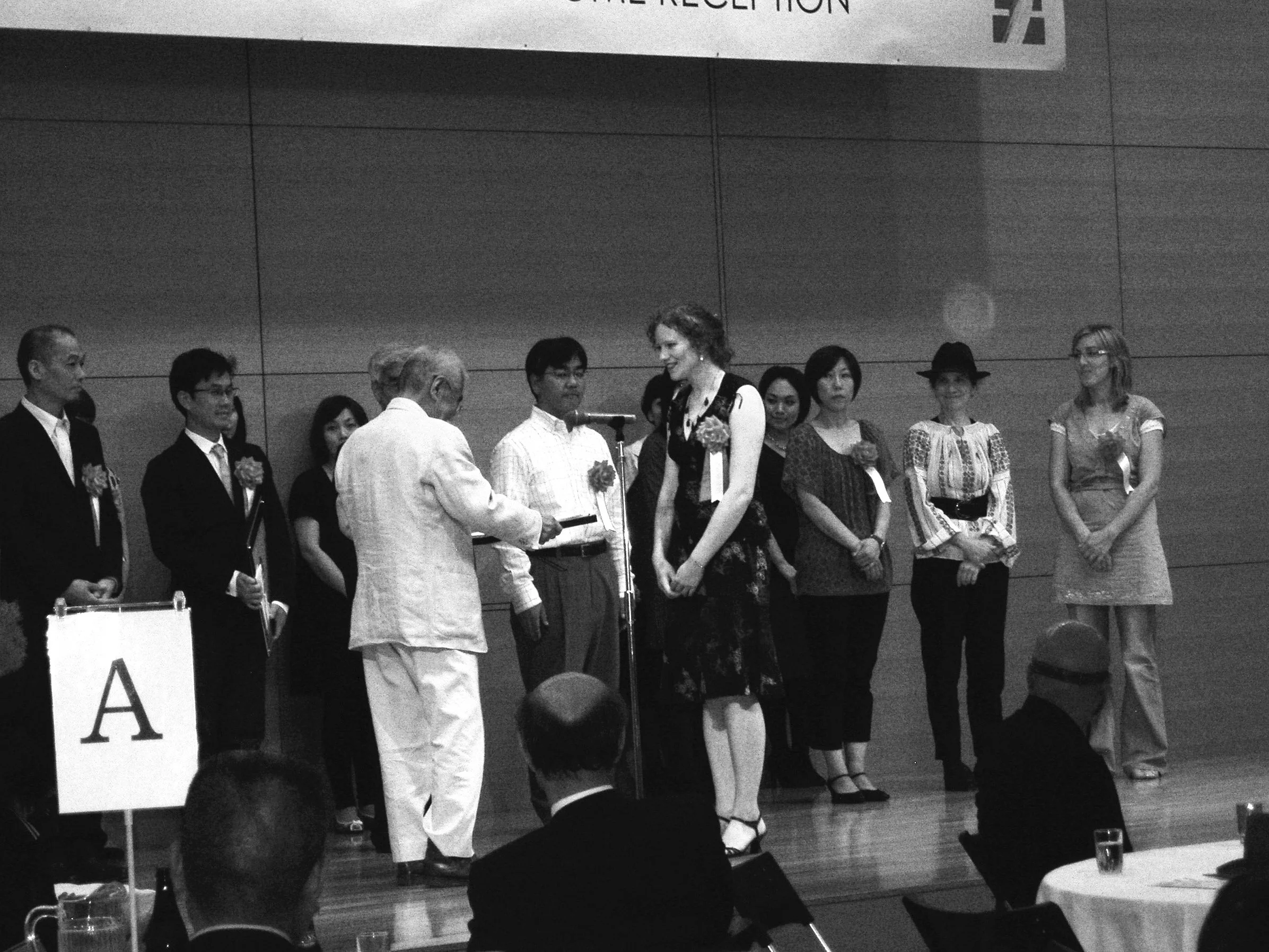
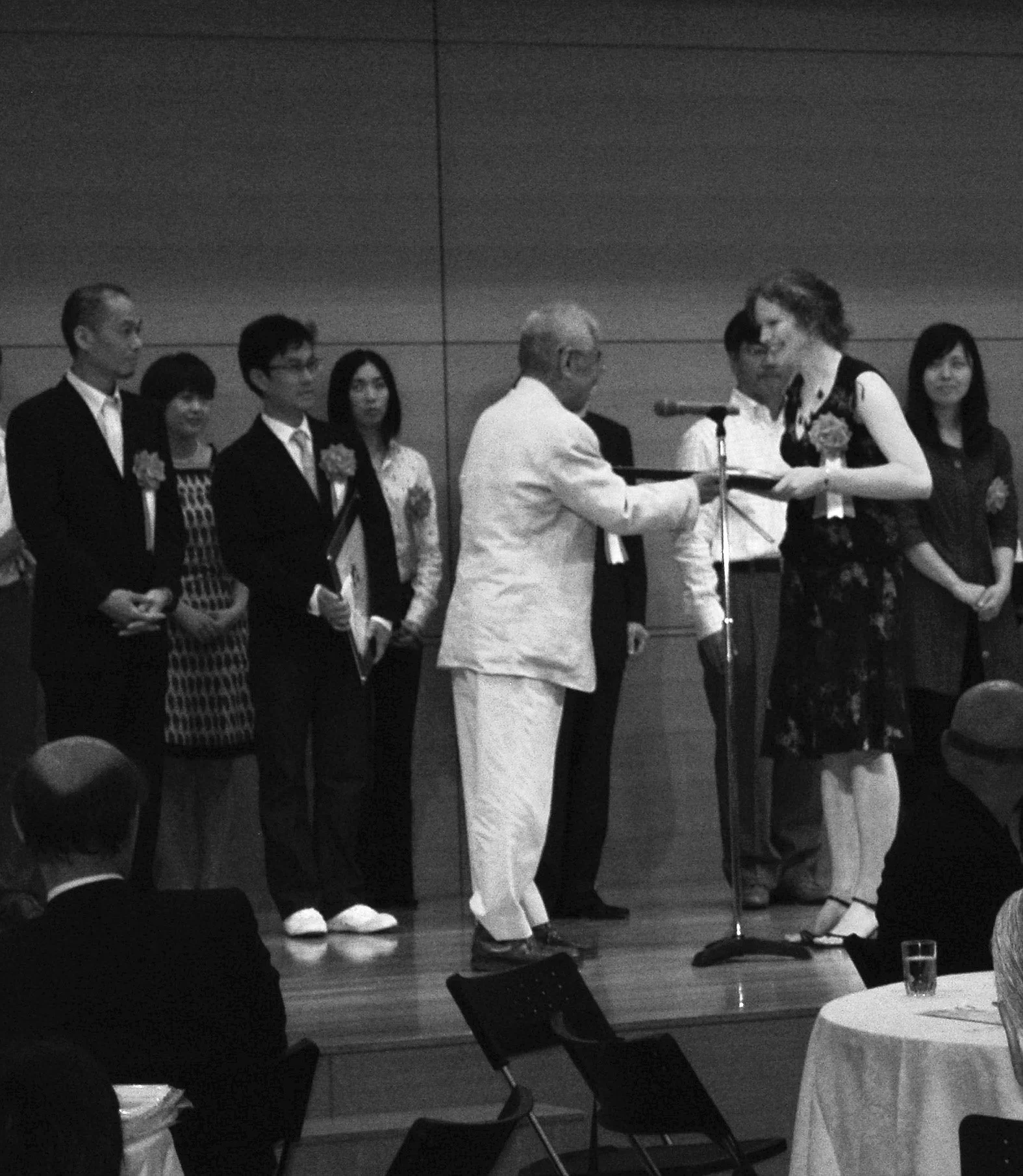
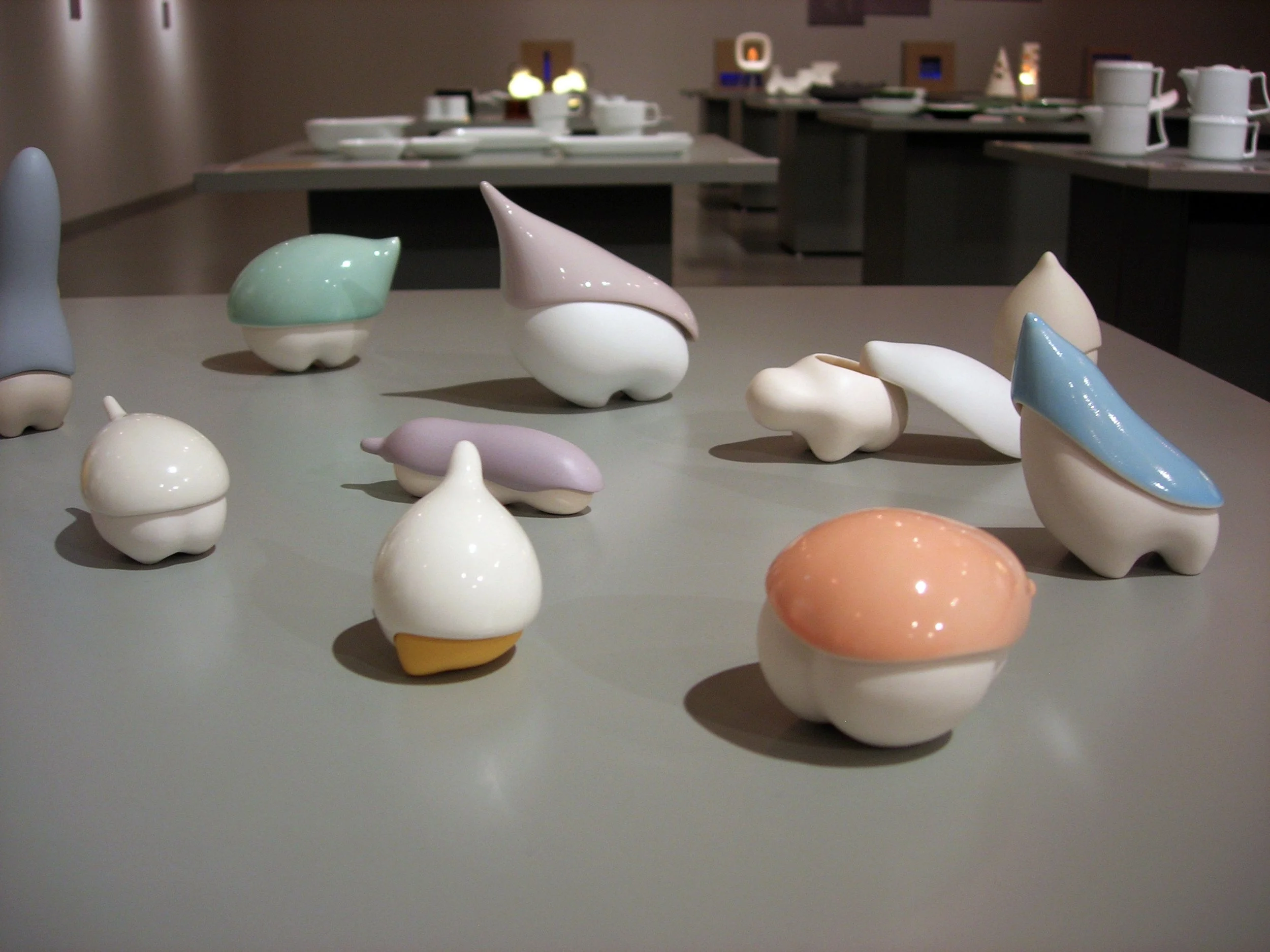
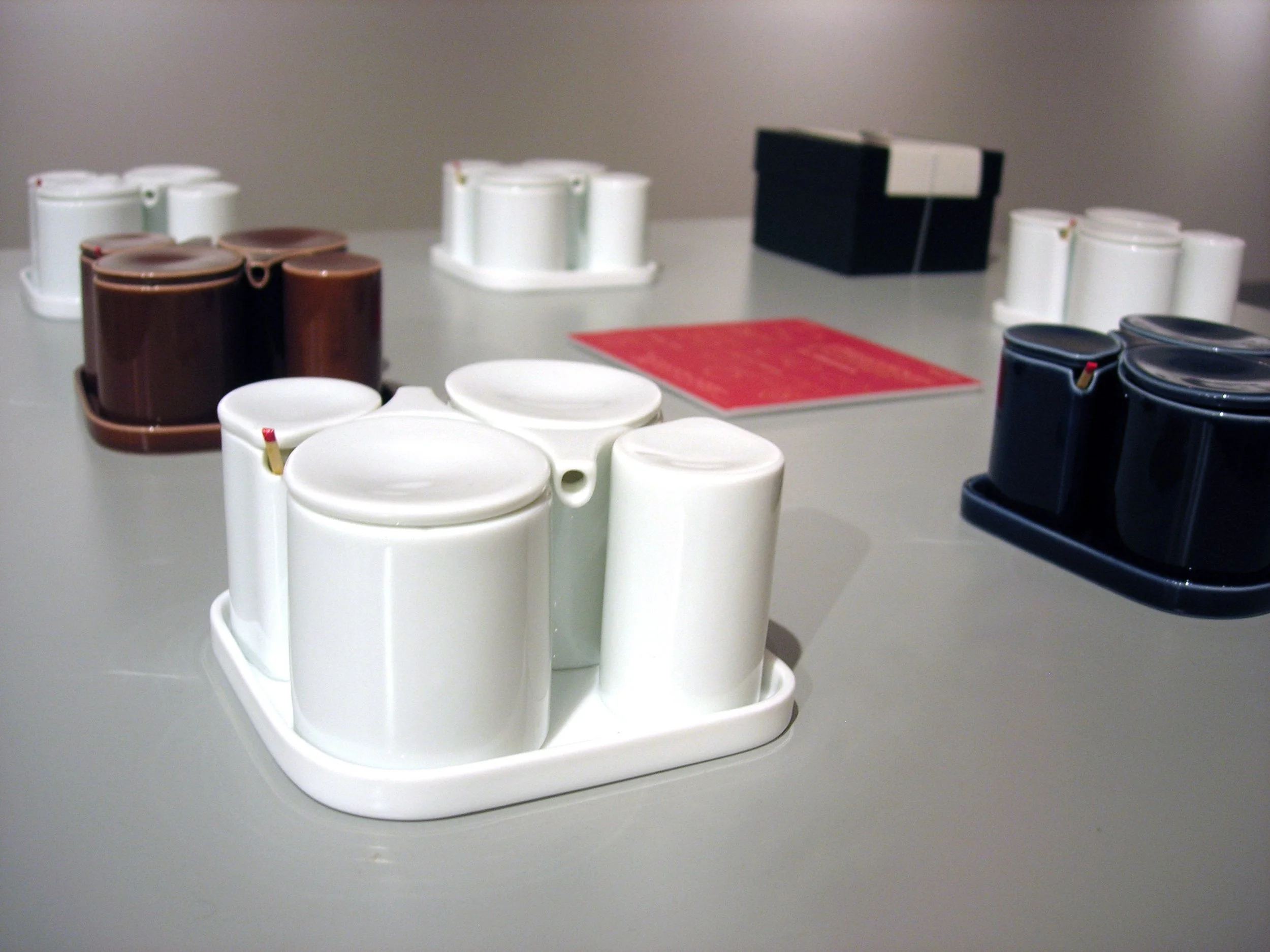
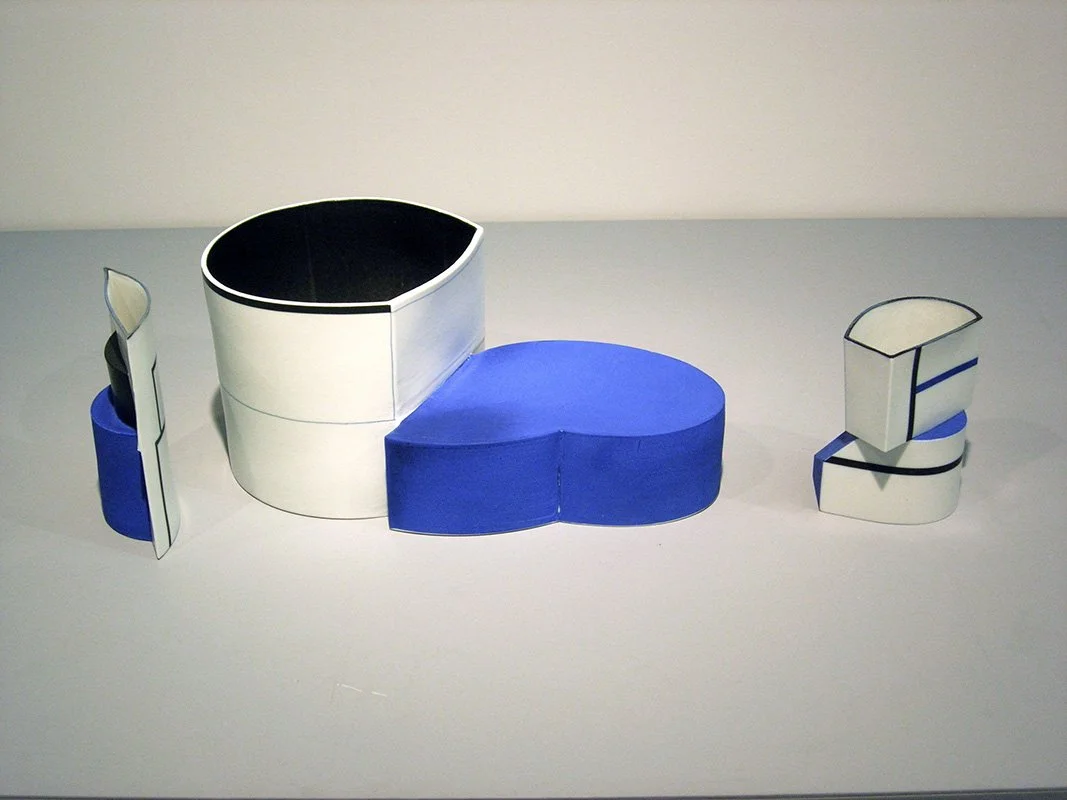
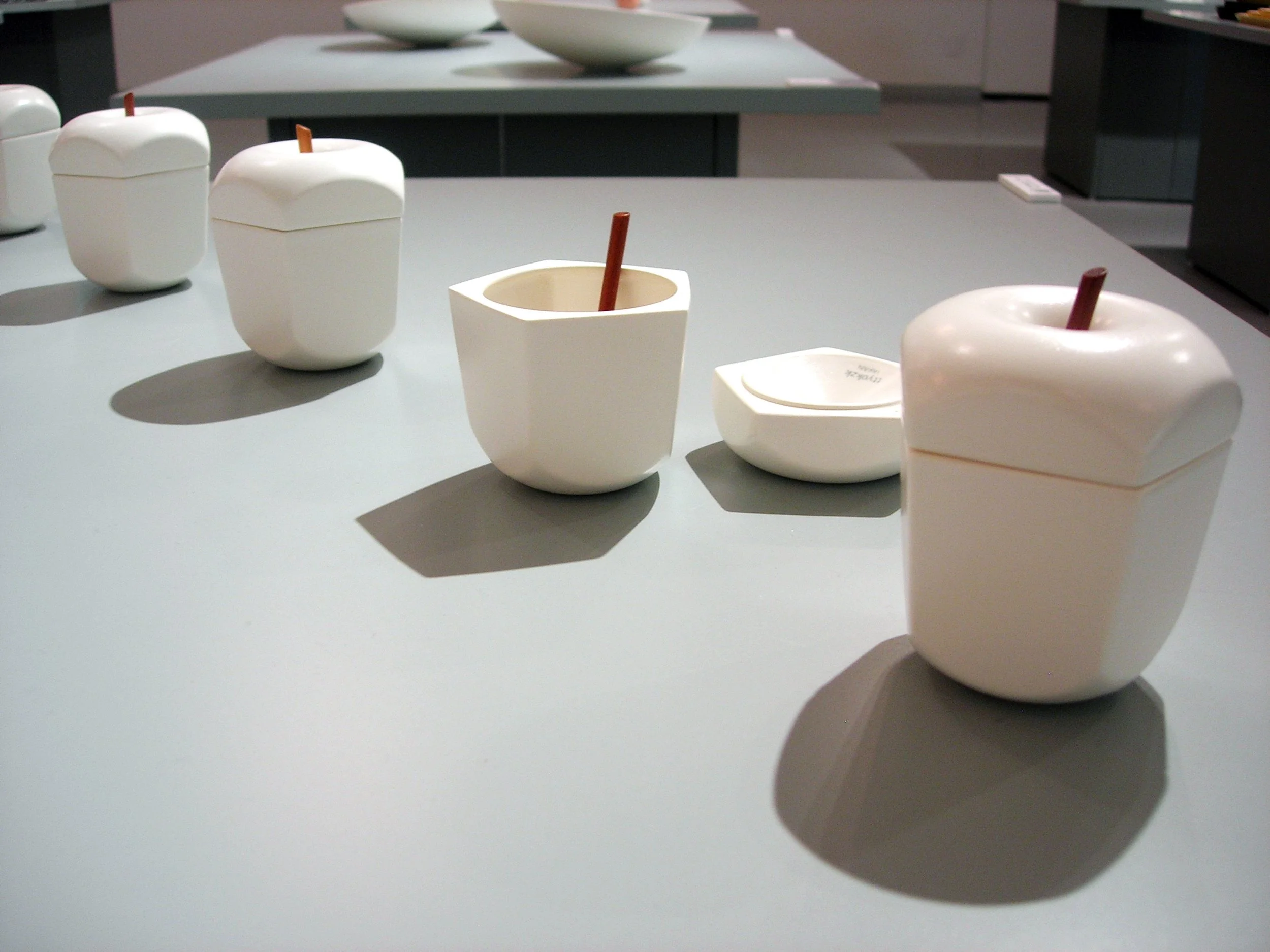
Talking Mugs, Yuri Takemura, Japan, 8th International Ceramics Competition Mino, Special Judges Award, selected by Piet Stockmans Light Catcher Series, Jo Woffinden, UK, 8th Internation Ceramics Competition Mino, Special Judges Award, selected by Ryoji Koie
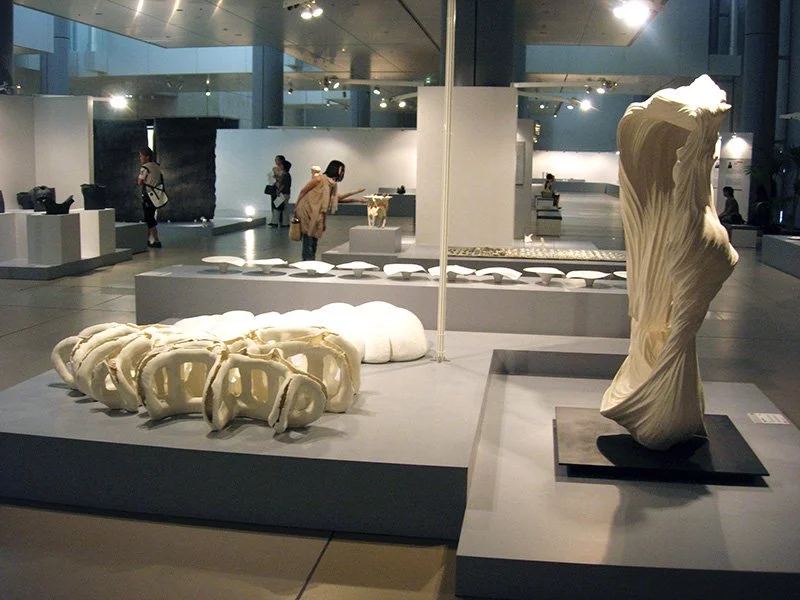
#arataisozaki #museumofmodernceramicart #minoceramicspark #internationalceramicscompetitionmino #ceramicmuseseum #ceramicmuseumjapan #japanesearchitecture #minoceramics #arataisozakiarchitecture #landscapearchitecture #ceramicscompetition #contemporaryceramics #ceramicsexhibitionjapan #ceramicart #ceramicdesign
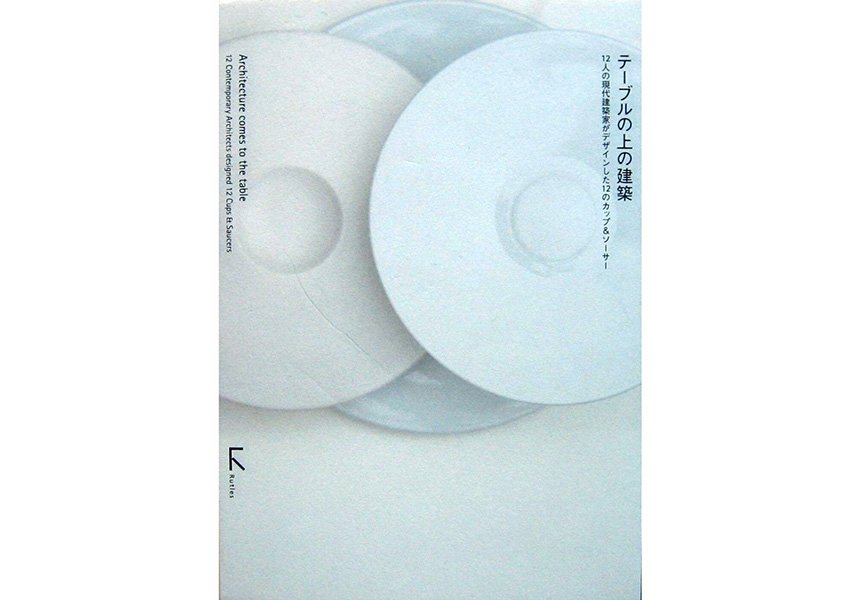
Architecture comes to the table

12 Contemporary Architects Design 12 Cups & Saucers

テーブルの上建築  12人の現代建築家がデザインした12のカップ&ソーサー 

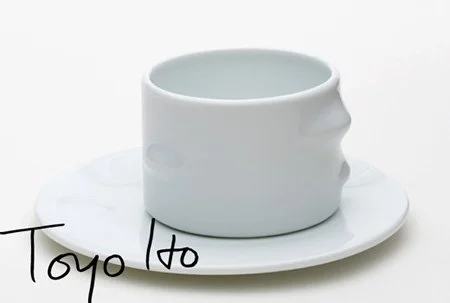
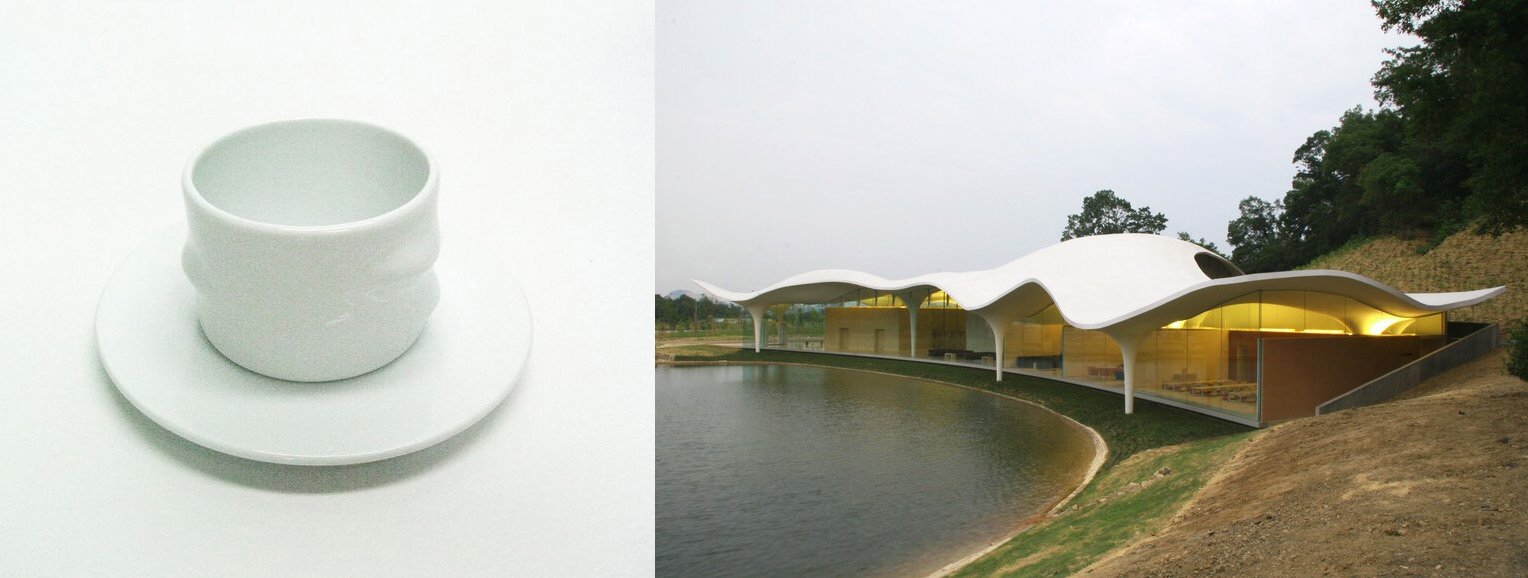
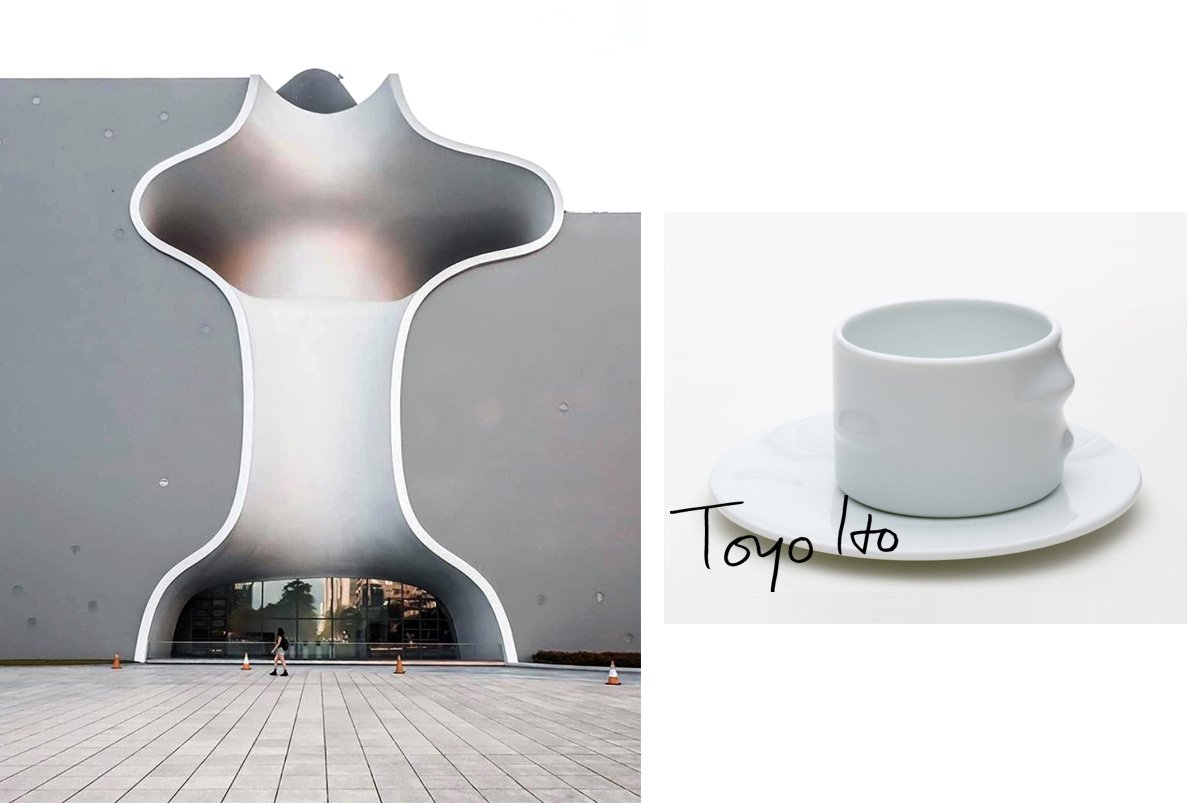
‘Bo’ White porcelain cup & saucer by Japanese architect Toyo Ito. Organic bumps in the cup surface to place fingers in between to comfortably hold and use.  Toyo Ito's organic curves in the architecture of Taichung Theatre, Taiwan. 臺中國家歌劇院

Left: National Taichung Theatre, Taiwan, 2006 - 16 - Toyo Ito Right: ‘Bo’, cup and saucer, porcelain, 2006-07 - Toyo Ito

"There’s a wonderful ambiguity in the power of a curve, the power of a line, whether it is defining an individual, a building, a bridge, a skyline, or a vessel. They are all part of the same family, in a way. The issues of quality, workmanship and textures are common to all these different scales" Norman Foster

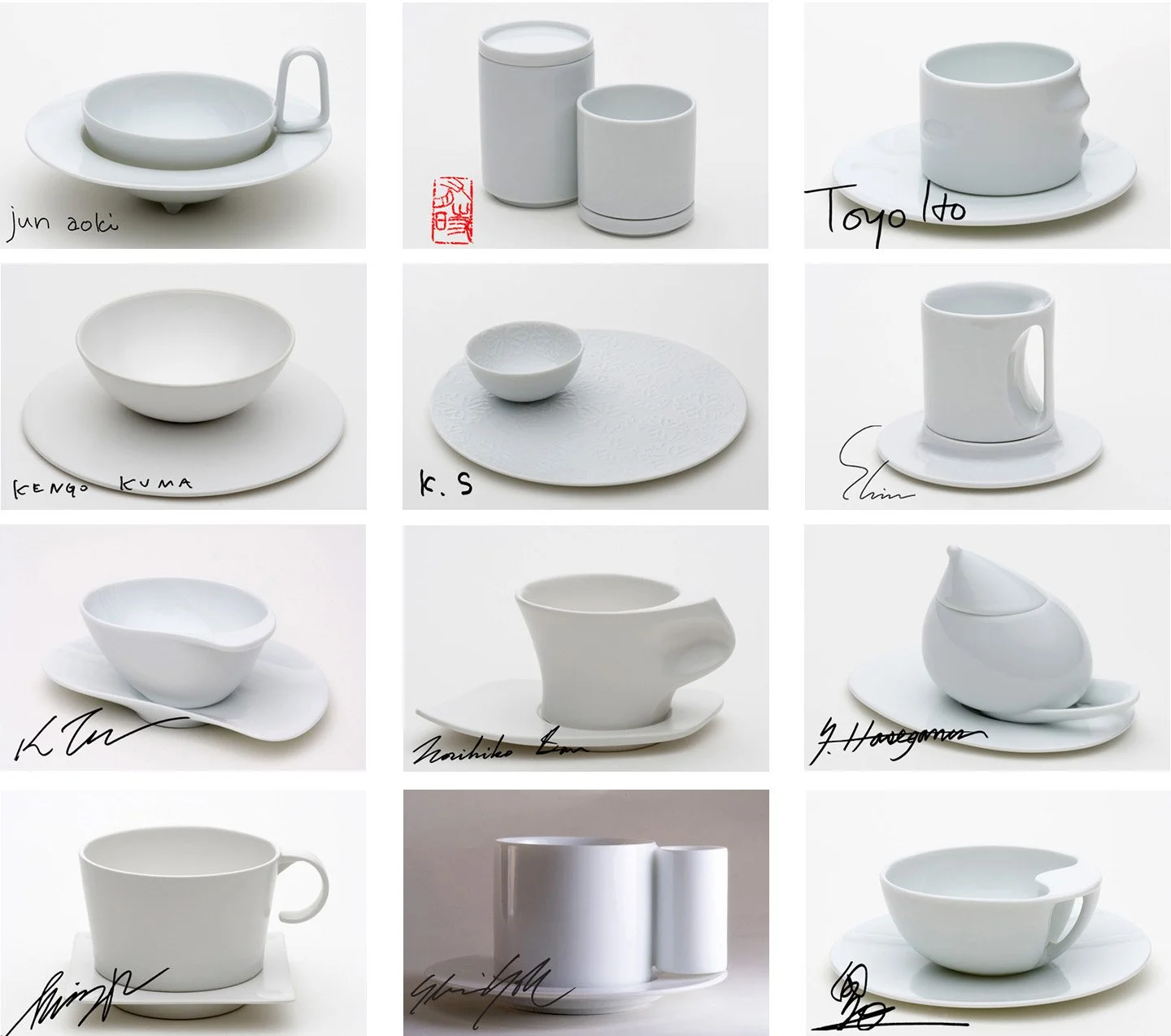
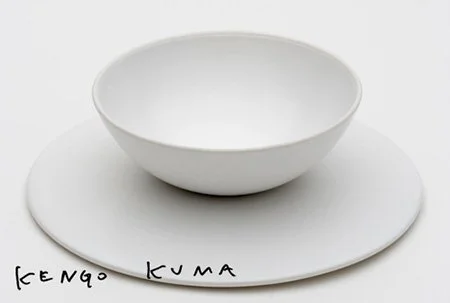
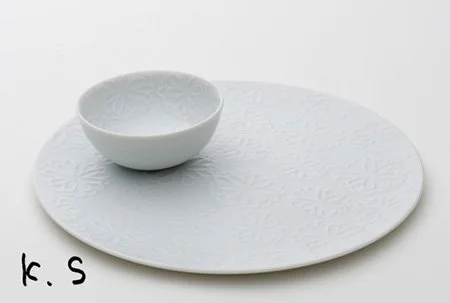
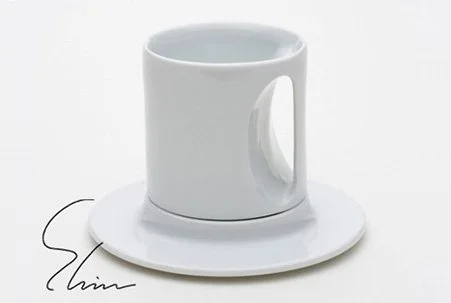
From 2006 to 2007, twelve internationally acclaimed Japanese architects took part in the Minoyaki Project, Architecture Comes to the Table: 12 Contemporary Architects Designed 12 Cups & Saucers. The project invited architects to translate their spatial and material concerns into the intimate scale of functional ceramic objects, culminating in a publication documenting the outcomes.

This two-part post offers a brief examination of the book and selected ceramic pieces from the project, placing them in dialogue with key examples of the architects’ larger-scale architectural work.

Publication: Architecture Comes to the Table, 12 Contemporary Architects designed 12 Cups & Saucers, 2007

ISBN: 978-4-89977-193-7

The Minoyaki Project is one of many projects carried out at the Oribe Design Centre in Gifu, Japan that has led to new expressions and cutting-edge creations in ceramic design.  The Oribe Design Centre promotes and revitalises the local ceramic industries through innovative collaborations with both Japanese and international designers working across materials and disciplines.

Parts of Gifu prefecture in Japan have a long history of ceramic production, particularly the Mino district known for its Mino ware or Minoyaki. The oribe ceramics produced in this region from the 16th century was ahead of its time, characterised by a spirit of freedom and a willingness to challenge established norms. This very mindset embedded within the Oribe Design Centre cultivates opportunities for experimental design across both traditional and emerging fields, with the industries in Gifu.  
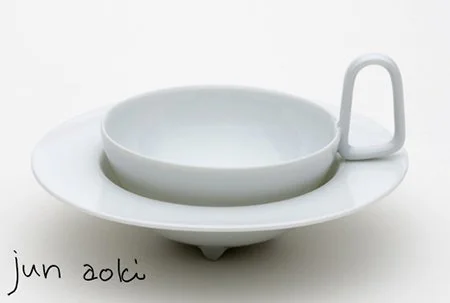
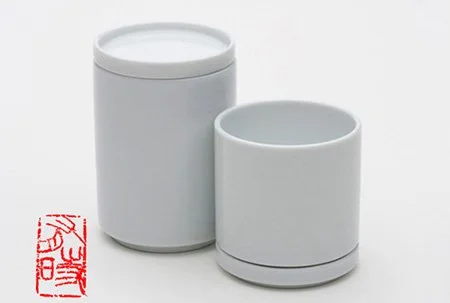
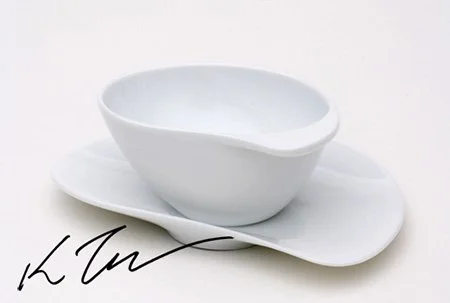
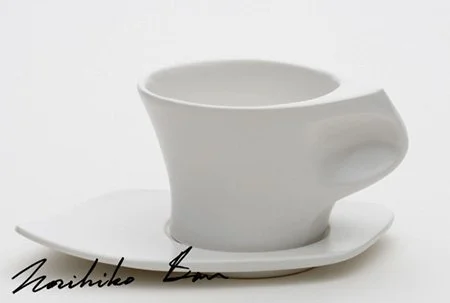
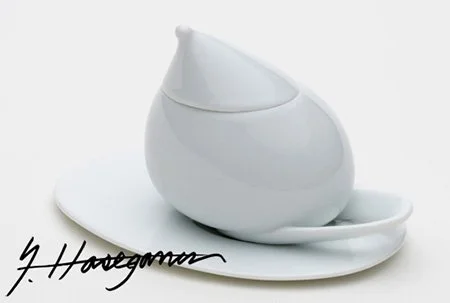
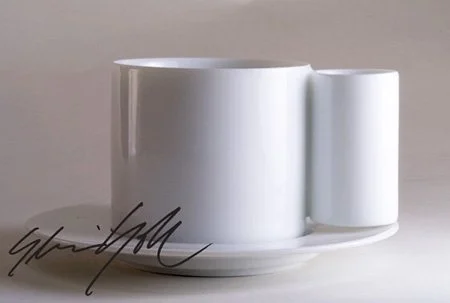
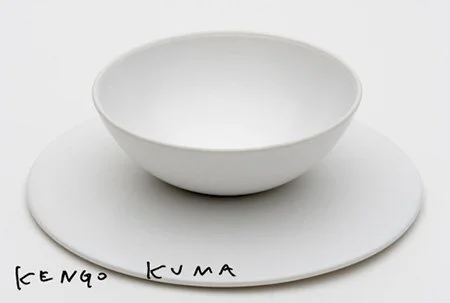
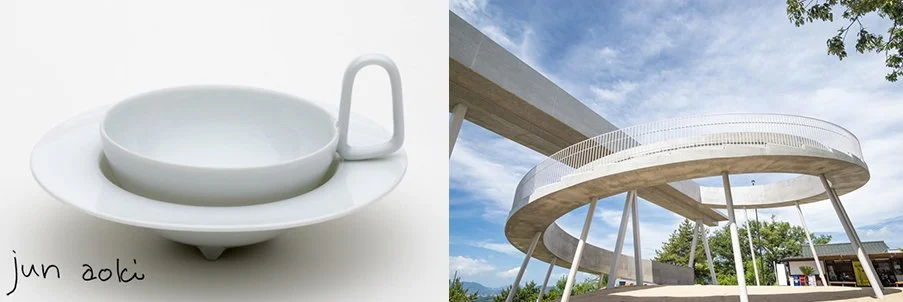
Top left to bottom right: ‘tea for two’ Jun Aoki / Arata Isozaki / ‘Bo’ Toyo Ito / ‘tsuki’ Kengo Kuma / ‘Pyonko’ Kazuyo Seijima / ‘ORIGIN’ Shin Takamatsu / ‘Win-Win’ Kiyoshi Sey Takeyama / ‘a pinched face cup’ Norihiko Dan / ‘ é ’ Itsugo Hasegawa / ‘Prototype No. 2’ Shigeru Ban / ‘PIPE & SAUCER’ Shoei Yoh / ‘Columbus Half’ Kijo Rokkaku

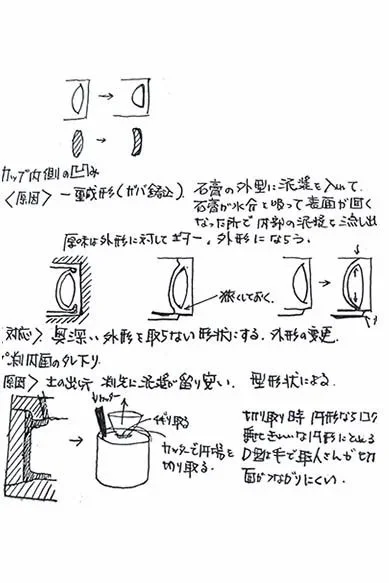
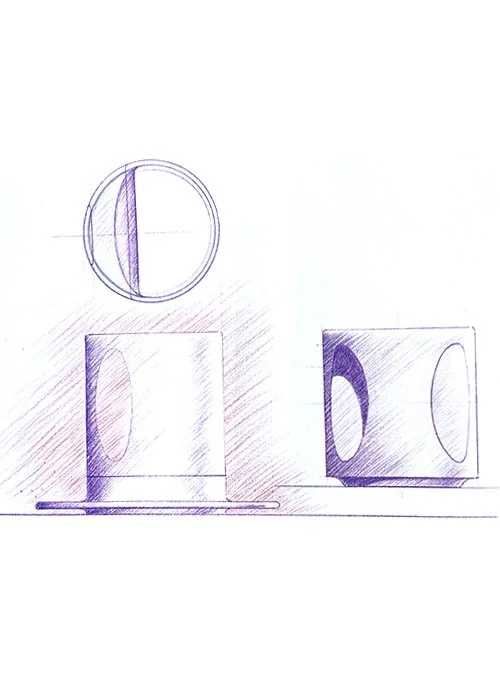
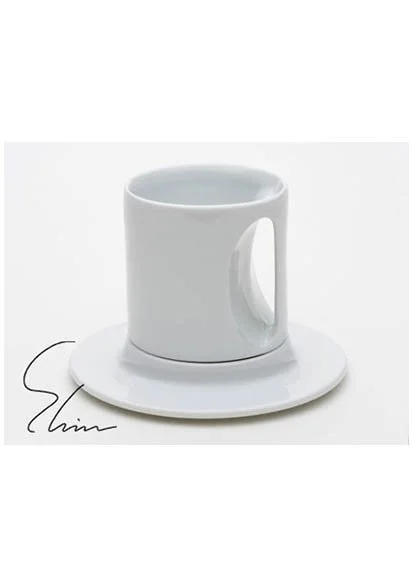
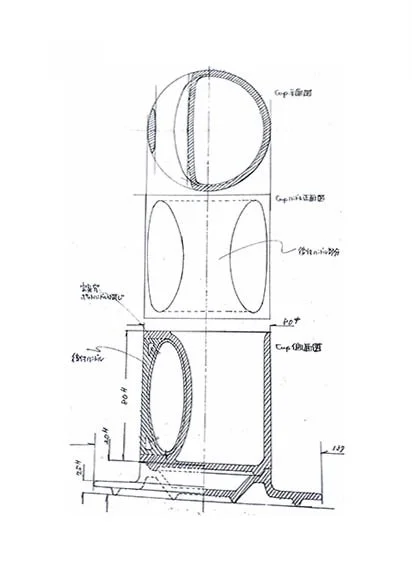
The focus of the book is on concept and design development, though some insight is given into the manufacturing process including model and mould making for porcelain slip casting.  Each of the architect’s initial drawings and project concepts are shown alongside the finished products, offering insight into how their ideas are transformed into physical products.  Shin Takamatsu’s Origin shows a cylindrical cup with a hollowed out space within its body which forms the handle. Alongside are further sketches showing how Takamatsu adapted the design for it to work as a slip cast object. Turning a design into a physical product requires numerous processes and tight timelines and the initial designs often need to be revised and adjusted.

It is fascinating to observe how each architect’s distinct aesthetic language is translated into these small-scale functional objects, mirroring the principles evident in their larger architectural works. The presence of their spatial sensibilities and formal vocabulary at this intimate scale encourages a reconsideration of the cup and saucer as more than utilitarian objects. The dialogue between space, form, material and the body—fundamental to architectural thinking—is clearly articulated through both the architects’ drawings and the porcelain works documented in the book.

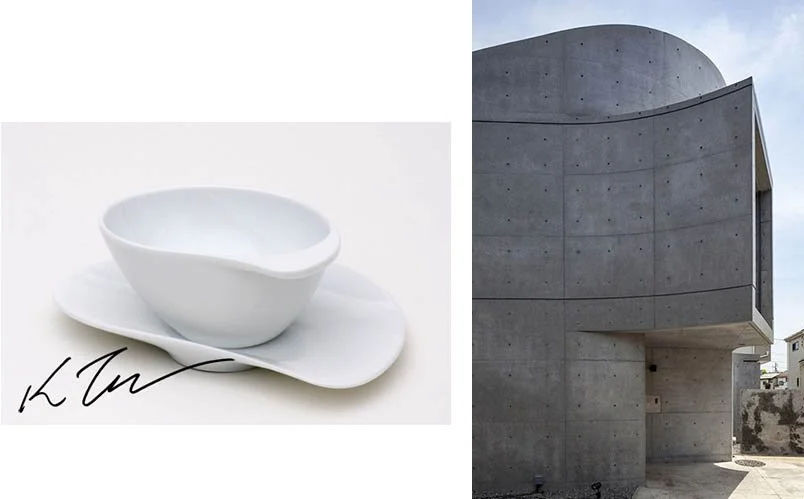
'a pinched face cup’, asymmetric white porcelain cup & saucer by Japanese architect Norihiko Dan.  The cup has a pinched and extruded handle. Organic extruded curves and asymmetry of Norihiko Dan's Sun Moon Lake Visitor Centre, Taiwan

Left: a pinched face cup, cup & saucer, 2006-07 - Norihiko Dan    Right: Sun Moon Lake Visitor Centre, Taiwan, 2003-13 - Norihiko Dan

The asymmetry that defines Norihiko Dan’s Pinched Face Cup (above) is also evident in his architectural spaces, such as the Sun Moon Lake Visitor Centre, completed in 2013. With this cup and saucer, Dan intentionally departed from the traditional expectation of symmetrical form.

As the cup & saucer title suggests,  the handle of the cup appears to have been pinched and organically pulled outwards giving a sense of the malleability of the porcelain captured at a moment in time from manipulating the clay in its plastic state. These organic curves and extrusions alongside a sense of flow and movement are also echoed in the walls and spaces forming his large scale building projects.

While each cup and saucer demonstrates unique characteristics, they all share a considered relationship between functionality, physical engagement, and sensory perception.

Each architect approached the question of how the cup and saucer should be used and what their primary functions should be in a different way. Factors such as the thickness of the rim where it meets the lips, the shapes and profiles of the cup and saucer walls and their relationship to one another, and the way the cup is held were all influential in the design process.

Toyo Ito said of his design (below), “My design arose from a desire to find new expression while utilising traditional features of Japanese tableware, such as, thickness, weight and sensation”.

Toyo Ito’s Bo cup evokes the human body, particularly the hand — with small, knuckle-like curves that extend outward to create natural resting points for the fingers when holding it. Ergonomic function and comfort are central to the design and also contribute to its soft visual aesthetic. Ito chose to create a cup with no handle, to enable it to be used for multiple purposes and to be held directly in the hand or with both hands to drink from.

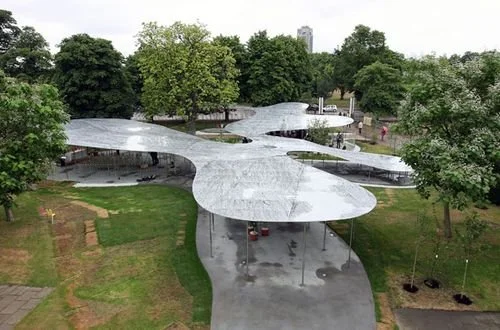
Left: ‘Bo’, cup and saucer, porcelain, 2006-07 - Toyo Ito Right: Meiso no Mori, Kakamigahara, Japan, 2004-2006 - Toyo Ito

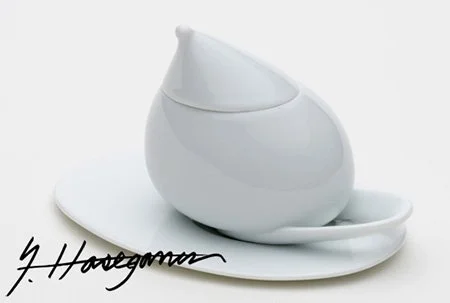
Inspired her love of the aromas of tea and coffee, Itsuko Hasekawa’s ‘é’ was developed with a lid to capture warmth and scent within the cup. Its soft bulbous form suggests organic movement and vitality, complemented by a wide, flat handle that emerges from the base like a leaf.

‘é’, Itsuku Hasegawa

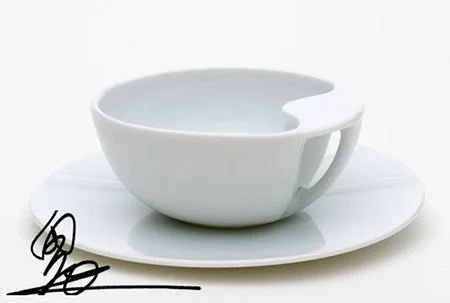
Sey Takeyama’s ‘Win-Win’ cup and saucer (below), a portion of the rim of the cup extends outward in a continuous gesture reflecting the fluid design of the saucer. This is another striking example of the way in which the architect’s signature approach to large scale work emerges within modest, functional forms.

Left: ‘Win-Win’Kiyoshi Sey Takeyama Right: Gallery of House in Tachikawa, Tokyo, 2017, Kiyoshi Sey Takeyama + AMORPHE - 3

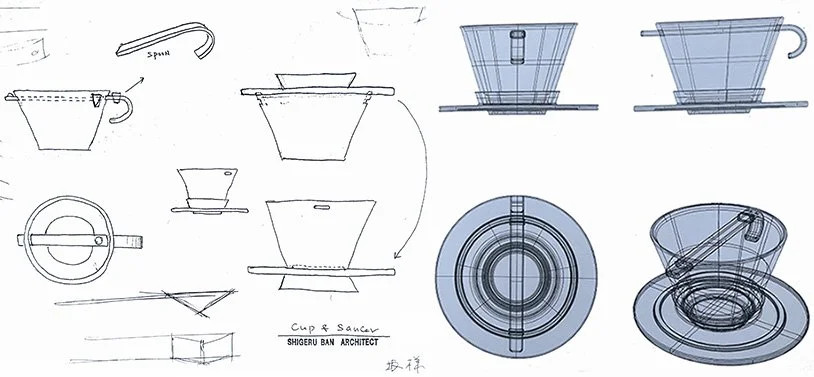
Shigeru Ban’s Prototype No.2 (below) was modified significantly from the original cup, which was designed with a dual purpose handle.  The handle could be pulled out from the cup to be used as a teaspoon (see above image) and reinserted to be used as a handle again. This idea sprang from thoughts about the inconvenient aspects of a cup and saucer, one of the observations being about the single use of teaspoons and the awkwardness of keeping it on the saucer. 

‘Initial design sketches and CAD drawings for ‘Prototype No.2’, with removable handle/teaspoon, Shigeru Ban

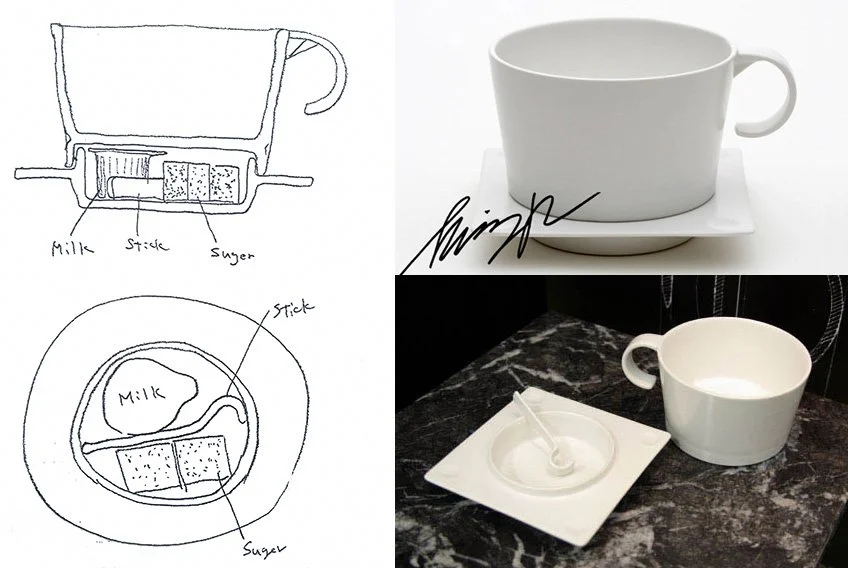
Due to time constraints, the original concept was adapted into a cup with a permanently fixed handle, distinguished by a rounded curve that allows the fingers to hook through comfortably while the hands cradle the vessel. The accompanying saucer incorporates a concealed compartment, discreetly housing a miniature teaspoon/stick along with space for milk and sugar, an efficient and thoughtful use of limited surface area.

Widely recognised for his pioneering use of sustainable and unconventional materials, including recycled cardboard tubes, Ban’s sensitivity to material and user interaction is also evident here. Subtle thumb-sized dimples at the corners of the saucer invite touch, intuitively guiding the act of lifting both cup and saucer.

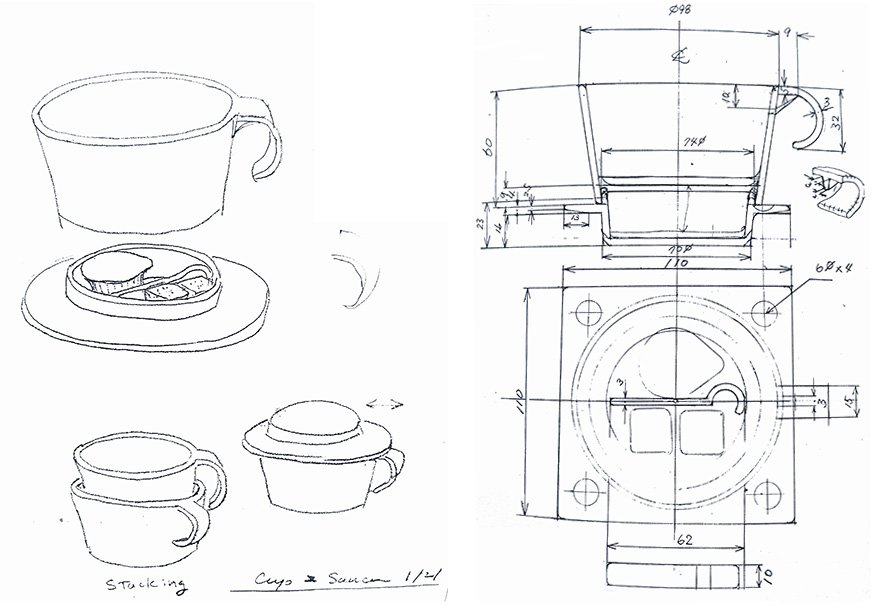
Design development sketches for ‘Prototype No.2’, with measurements, Shigeru Ban

The sketch above makes clear that storage was integral to the design, with the cups proportioned to stack compactly inside one another to maximise space efficiency. It also reveals the saucer’s additional functionality: alongside holding the cup and its accompaniments, it can be inverted and sit on top of the cup as a lid, keeping the drink warm like a small hat.

Continue reading in Part II (next post)